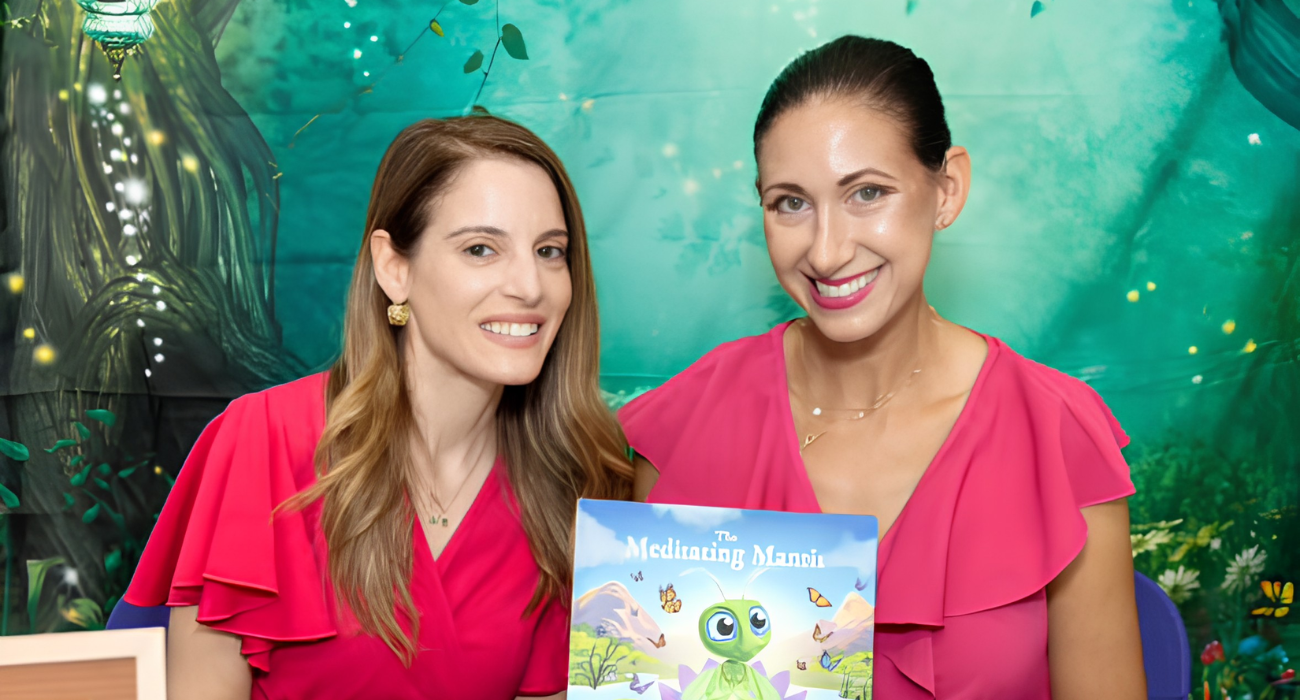
In a world where children are growing up surrounded by constant stimulation, social pressure, and rising levels of anxiety, Mariana Gordon and Sondra Bakinde believe one thing is missing from the conversation: emotional literacy.
As co-founders of Mindful Mantis and authors of The Meditating Mantis, the two homeschooling mothers are on a mission to help children develop the tools many adults spend decades learning—self-awareness, resilience, mindfulness, and emotional regulation.
What began as a desire to better support their own families has evolved into a movement dedicated to helping children navigate life with greater confidence, clarity, and inner peace.
From Personal Healing to Collective Impact
Neither Mariana nor Sondra set out to build a wellness company.
Their journey began through personal experiences that revealed a deeper need. For Mariana, years spent working alongside children, therapists, and educators exposed a recurring challenge: many children were struggling emotionally, yet few were being taught practical tools to understand and process their feelings.
At the same time, Mariana found herself navigating her own season of stress, burnout, and loss. After experiencing infertility challenges and a miscarriage, she began exploring alternative healing practices including breathwork, sound healing, acupuncture, energy work, and mindfulness.
What she discovered transformed her life.
Rather than treating wellbeing as something separate from everyday life, she began seeing emotional, physical, and spiritual health as deeply interconnected. That realization would eventually become a cornerstone of Mindful Mantis.
For both founders, the question became simple:
What if children learned these skills before life taught them the hard way?
Why Emotional Literacy Matters More Than Ever
While traditional education excels at teaching academic subjects, Mariana and Sondra believe one of the most important life skills is often overlooked.
Children are rarely taught how to identify emotions, regulate stress, navigate anxiety, or process difficult experiences.
Instead, many people enter adulthood carrying emotional patterns they never learned how to manage.
Through Mindful Mantis, they aim to change that narrative.
Their work focuses on helping children develop emotional awareness, resilience, gratitude, self-belief, and healthy coping strategies through practical, age-appropriate tools.
Rather than suppressing emotions, children learn how to understand them.
Rather than avoiding challenges, they learn how to move through them.
The goal is not perfection. It is empowerment.
Storytelling as a Gateway to Transformation
One of the most unique aspects of Mindful Mantis is its use of storytelling.
Recognizing that children often learn best through stories, the founders created The Meditating Mantis to introduce mindfulness concepts in a way that feels engaging, relatable, and fun.
Through memorable characters and meaningful adventures, children are introduced to concepts such as gratitude, self-awareness, emotional regulation, and inner confidence.
The approach allows children to absorb powerful lessons naturally, without feeling like they are being taught.
It’s a simple idea with profound implications.
Stories shape beliefs. Beliefs shape lives.
By helping children see themselves as capable, resilient, and worthy, Mariana and Sondra hope to influence how an entire generation approaches life’s challenges.
Raising Conscious Children in a Complex World
The conversation also explores the realities facing modern families.
Today’s children are growing up in a world filled with distractions, comparison, information overload, and constant digital stimulation. Anxiety and overwhelm have become increasingly common experiences for both parents and children alike.
Rather than approaching these challenges through fear, the Mindful Mantis philosophy centers on practical solutions.
Breathwork. Gratitude. Mindfulness. Reflection.
Simple tools that help children reconnect with themselves amid the noise.
The founders emphasize that resilience is not something children are born with. It is something that can be cultivated through consistent practice and intentional support.
Building a Movement Beyond Books
What started as a single story has expanded into a broader mission.
Today, Mindful Mantis offers books, workbooks, educational resources, mindfulness practices, and family-centered tools designed to support emotional wellbeing. Their vision continues to grow through curriculum development, multimedia projects, and expanded educational offerings that bring mindfulness into homes, schools, and communities.
At its heart, however, the mission remains unchanged.
Help children understand themselves.
Help families connect more deeply.
Help future generations thrive.
Choosing Alignment Over Convention
When asked what living an unconventional life means, Mariana and Sondra offered a perspective that captures the essence of their journey.
It means being willing to question systems, trust your intuition, and choose alignment over approval.
That philosophy has guided them through homeschooling, entrepreneurship, personal healing, and the creation of Mindful Mantis.
In doing so, they are helping families discover something increasingly rare in today’s fast-paced world: the power of slowing down, tuning in, and nurturing what matters most.
Giveaway
Win a Copy of The Meditating Mantis
Ready to introduce mindfulness, emotional resilience, and self-awareness to the young readers in your life?
We’re giving away a copy of The Meditating Mantis, the inspiring children’s book created by Mariana Gordon and Sondra Bakinde. Through engaging storytelling and meaningful life lessons, this book helps children develop confidence, emotional intelligence, gratitude, and inner calm.
Enter now for your chance to bring these powerful tools into your family’s journey.
Connect with Mariana & Sondra:
- Website: www.themindfulmantis.com
- Instagram: @themindfulmantisinc