Unconventional Life – Podcast, Blog, Live Events

Category: Money

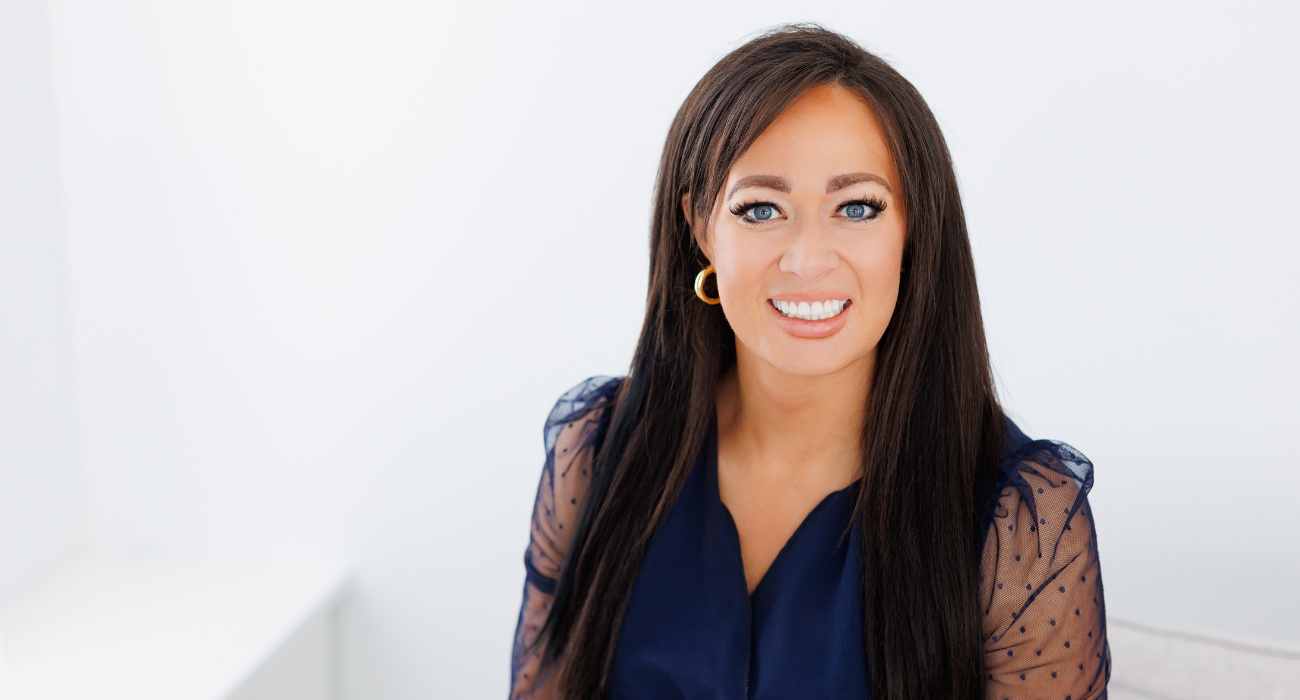
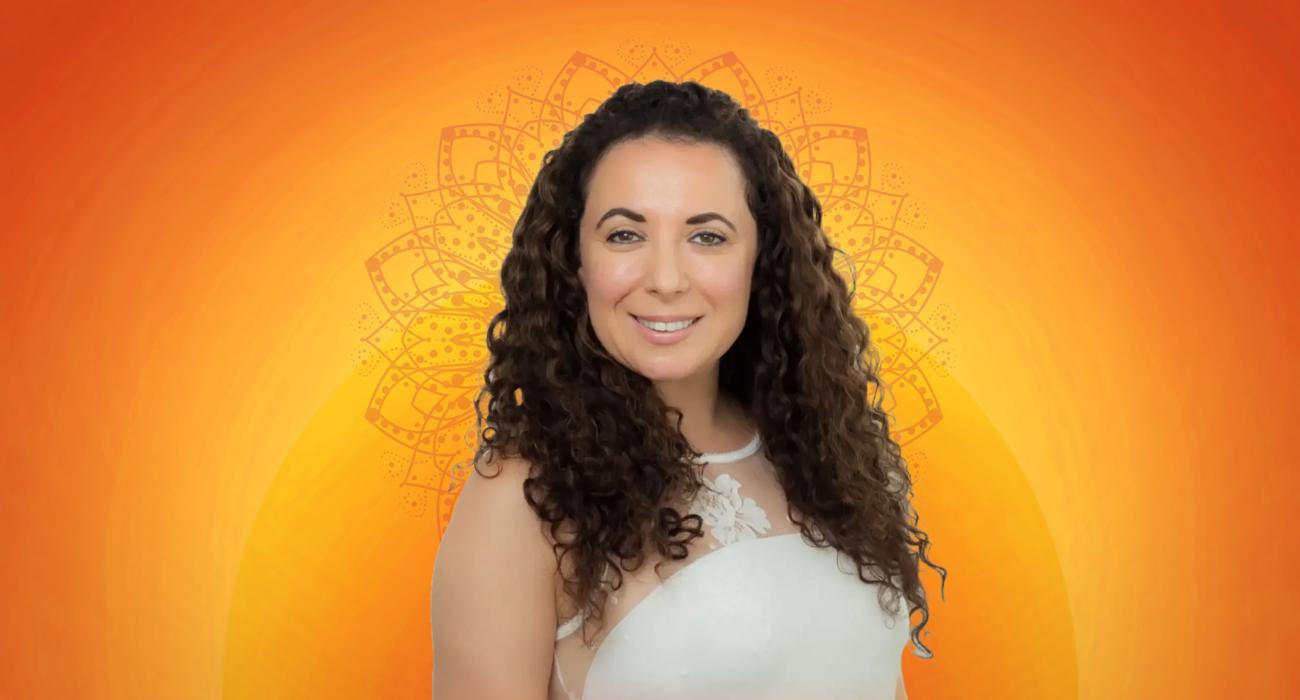
  • Listening to the Body’s Hidden Intelligence: How Inna Segal Turned Trauma into a Global Healing Movement

    Listening to the Body’s Hidden Intelligence: How Inna Segal Turned Trauma into a Global Healing Movement

    For Inna Segal, healing didn’t begin in a classroom, a clinic, or a spiritual retreat. It began in a moment of profound loss and a blunt truth.

    After years of chronic illness, debilitating back pain, anxiety, psoriasis, and the devastating stillbirth of her child, Inna had exhausted every conventional option. 

    She was seeing multiple practitioners weekly, doing everything “right,” yet nothing created lasting change. Then one day, her chiropractor looked at her and said, “Your body is stuck. There’s nothing more I can do.”

    That moment didn’t break her. Instead, it redirected her.

    Instead of asking who could fix her, Inna asked a different question: What if my body is communicating something I don’t yet understand?

    The Body as a Language, Not a Problem

    At the time, Inna was studying linguistics and literature, training to become a writer. Language—how meaning is formed, stored, and expressed—was already her world. What she didn’t realize was that this skill set would unlock an entirely new way of understanding healing.

    Through breath, touch, and inquiry, Inna began listening inward. What she discovered was startling: her body wasn’t malfunctioning. It was remembering.

    She became aware of layers of unresolved experience stored within her body:

    • Childhood trauma from migrating across countries without language or stability

    • Bullying and family conflict

    • Ancestral trauma from war, imprisonment, and displacement

    • Unprocessed grief from losing her child

    As she felt, acknowledged, and worked through these layers, her body responded. Psoriasis that had persisted for 11 years disappeared within weeks. Chronic back pain and sciatica resolved. Anxiety, depression, and suicidal ideation faded.

    Healing, she realized, wasn’t about fighting the body: it was about befriending it.

    From Self-Healing to Global Impact

    What began as a personal awakening soon revealed something more. Inna noticed she could intuitively perceive patterns within other people’s bodies—emotional roots of illness, stored trauma, and energetic imbalances. 

    At first, the experience was overwhelming. Over time, she learned discernment, boundaries, and ethical application.

    This work eventually became The Secret Language of Your Body, a book that has since been translated into 27 languages and sold over one million copies worldwide.

    The premise is simple, yet radical: Every part of the body carries wisdom. Symptoms are not random. Illness often begins long before it appears physically—and healing starts with awareness, not blame.


    Responsibility Without Shame

    A cornerstone of Inna’s philosophy is responsibility—not as self-blame, but as empowerment.

    “Responsibility,” she explains, “is asking what I’m willing to do now that my body is carrying this.”

    Her work guides readers through understanding emotional and mental patterns associated with specific body parts, reflecting on life events that preceded illness, and engaging in practical exercises that restore agency and clarity.

    Rather than offering generalized advice, Inna emphasizes specificity—mapping a person’s experience with precision. After 25 years in the healing field, she believes detail is what creates lasting change.

    Living—and Healing—Unconventionally

    Inna Segal’s work sits at the intersection of body, mind, spirit, and consciousness. She openly explores topics many avoid: ancestral trauma, intuitive awakening, reincarnation, and what happens beyond this lifetime.

    For her, living an unconventional life means thinking independently, questioning inherited beliefs, and continuously recalibrating one’s inner compass.

    Her message is not about rejecting medicine or logic—it’s about expanding them.

    Because when we learn to listen, the body doesn’t just heal. It teaches.

    Connect with Inna:

  • Ep456: Rewiring Love: How Thais Gibson Is Teaching Millions to Heal at the Subconscious Level

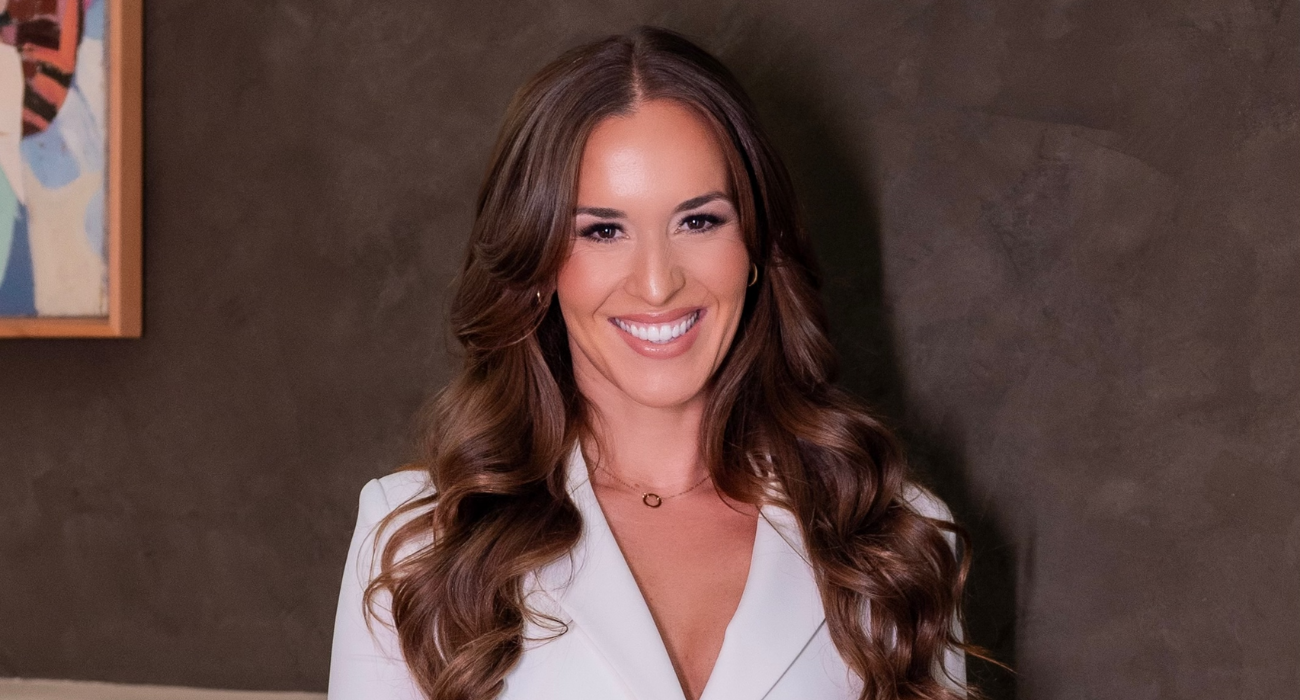
    Ep456: Rewiring Love: How Thais Gibson Is Teaching Millions to Heal at the Subconscious Level


    For years, Thais Gibson believed that relationships were supposed to hurt.

    Raised in an emotionally volatile environment, she learned early that love came with conflict, unpredictability, and intensity. Calm felt foreign. Stability felt suspicious. And intimacy? Often overwhelming.

    “I actually remember worrying when things weren’t dramatic,” she shares on the Unconventional Life podcast with host Jules Schroeder. “If we weren’t fighting, I thought something was wrong.”

    That belief—deeply embedded, entirely subconscious—would quietly shape her relationships, emotional coping mechanisms, and sense of self for years.

    Until everything unraveled.

    When Willpower Isn’t Enough

    Like many people on a healing journey, Thais tried to think her way out of pain. She read the books. Set intentions. Promised herself she would do better next time.

    But the patterns kept repeating.

    The breakthrough came when she learned a truth most people never hear: the conscious mind controls only a fraction of behavior. The subconscious—the part responsible for emotional reactions, habits, and attachment patterns—runs nearly everything.

    “You can’t outwill the subconscious,” she explains. “You have to reprogram it.”

    That realization changed the course of her life.

    The Science of Emotional Conditioning

    Through years of study in psychology, neuroscience, and somatic healing, Thais discovered why people remain stuck even when they want to change.

    The subconscious is wired through repetition and emotional intensity. It doesn’t respond to logic or affirmations—it responds to imagery, feeling, and consistency.

    What feels familiar—even if painful—feels safe.

    This insight became the foundation of Integrated Attachment Theory™, Thais’ proprietary framework that bridges attachment theory with subconscious reprogramming and nervous system regulation.

    Healing Attachment from the Inside Out

    Attachment styles, Thais explains, are not personality traits. They’re subconscious survival strategies learned in childhood.

    Fearful-avoidant, anxious, and dismissive attachment patterns all stem from core beliefs about safety, love, and self-worth.

    By targeting those beliefs directly—rather than behavior alone—lasting change becomes possible.

    And it works.

    A Live Demonstration of Rewiring Belief

    During the episode, Thais walks Jules through a real-time belief reprogramming exercise, revealing just how accessible the process can be.

    The steps are deceptively simple:

    1. Identify the fear beneath a goal

    2. Name the belief attached to it

    3. Create emotional evidence for the opposite belief

    4. Repeat consistently over 21 days

    It’s not about motivation. It’s about neural pathways.

    From Library Workshops to a Global School

    At 21, Thais began teaching free workshops in library rooms. People kept asking to work with her privately. Her waitlist grew to two years.

    That demand led to the creation of The Personal Development School, now serving members in over 115 countries with more than 60 courses dedicated to subconscious healing.

    It’s not therapy. It’s education for the inner world.

    The Real Transformation

    Success aside, the most profound shift for Thais was internal.

    “I used to be incredibly harsh with myself,” she admits. “My mind was always loud.”

    Today, she describes a sense of peace she once thought was impossible—space to create, to love, and to live without constant inner conflict.

    Healing didn’t just change her relationships.

    It gave her her life back.

    Giveaway

    One listener will receive a one-year all-access membership to The Personal Development School.

    Connect with Thais

  • Ep455:Listening Instead of Hustling: How Lauren Salaun Is Redefining Success Through Feminine Energy

    Ep455:Listening Instead of Hustling: How Lauren Salaun Is Redefining Success Through Feminine Energy

    For nearly two decades, Lauren Salaun did everything right—on paper.

    She built a successful career in marketing and PR. She mastered achievement, structure, and forward momentum. And yet, beneath the polished resume and external wins, something felt off. Burnout crept in. Relationships felt strained. Fulfillment stayed just out of reach.

    What ultimately changed Lauren’s life wasn’t another strategy, certification, or goal.

    It was learning to listen.

    Today, Lauren Salaun is a transformational coach, somatic healer, and host of the Amplify podcast. Her work centers on helping high-achieving women recalibrate their nervous systems, reconnect with their bodies, and shift from force-driven success to alignment-led living. On Unconventional Life with host Jules Schroeder, Lauren shares how slowing down became the fastest path forward.

    From Overachievement to Alignment

    Lauren’s early career was fueled by discipline and drive—qualities that served her well professionally but quietly disconnected her from her intuition.

    Like many high performers, she followed the path she believed she should take rather than the one her inner voice was nudging her toward. Over time, ignoring that voice came at a cost.

    Burnout wasn’t sudden. It was cumulative.

    The turning point came when Lauren began tuning into what she calls soul nudges—a blend of intuition, faith, and embodied knowing. Instead of asking what made logical sense, she started asking what felt true.

    The result wasn’t chaos or loss of control. It was clarity.

    Alignment, she learned, isn’t passive. It’s deeply intentional—and it requires presence.

    Healing the Patterns That Shape Love

    Lauren’s work around relationships was born from personal experience. Following her divorce in 2020, she chose not to repeat old narratives or rush into the next chapter. Instead, she looked inward.

    She examined the unconscious patterns that shaped her relationships—how her nervous system responded to intimacy, how achievement masked emotional needs, and how self-protection showed up as independence.

    This inquiry became the foundation of her coaching practice, particularly for women navigating dating, partnership, and identity after major life transitions.

    Rather than fixing external circumstances, Lauren helps women understand the internal dynamics driving their choices.

    The Myth of “Not Enough Masculine Men”

    One of the most striking moments in the conversation centers on a belief Lauren hears often from successful women:

    “There just aren’t enough masculine men.”

    Lauren doesn’t sugarcoat her response.

    The issue, she explains, is rarely a lack of masculine energy in the world. It’s that many women are leading with hyper-masculine energy themselves—constant doing, controlling outcomes, and staying perpetually guarded.

    This isn’t a flaw. It’s a survival strategy.

    But when masculine drive dominates without balance, it blocks polarity, attraction, and emotional safety.

    The solution isn’t becoming smaller or less capable. It’s learning how to soften without self-abandoning—and how to receive without guilt.

    Feminine Energy Is Not Weakness

    Lauren is clear: feminine energy has been deeply misunderstood.

    It isn’t passivity. It isn’t submission. And it certainly isn’t incompetence.

    At its core, feminine energy is receptive, intuitive, cyclical, and sensory. It thrives on presence rather than pressure.

    When women reconnect with this energy, they often experience unexpected shifts—not only in relationships, but in money, creativity, and opportunities.

    Life begins to respond instead of resist.

    Regulating the Nervous System, One Small Moment at a Time

    For women who already feel overwhelmed, Lauren emphasizes that healing doesn’t start with massive lifestyle changes.

    It starts small.

    One of her simplest practices: sitting outside for five minutes with eyes closed and tuning into the senses. No fixing. No analyzing. Just noticing.

    These moments of regulation bring women back into their bodies—out of mental overdrive and into grounded awareness.

    She also reframes emotional regulation not as suppression, but as discernment. Emotions become information, not instructions.

    Neurodivergence as Magnetism

    Lauren also speaks openly about neurodivergence, reframing it as a source of depth and power rather than limitation.

    Neurodivergent individuals often bring heightened creativity, presence, and emotional intensity into relationships. The challenge isn’t capacity—it’s boundaries.

    Not everyone deserves access to that energy.

    With awareness comes the ability to design environments, relationships, and rhythms that support—not drain—these natural strengths.

    Magnetism Begins with Boundaries

    Throughout the episode, Lauren returns to a central truth: magnetism isn’t something you perform. It’s something you embody.

    Women become magnetic when they stop abandoning themselves, honor their boundaries, and allow life to meet them halfway.

    This shift changes everything—from how partners respond to how opportunities appear.

    Faith, Presence, and an Unconventional Life

    Behind the scenes, Lauren describes herself as playful and expressive. Her daily grounding practice is prayer—a relationship built on trust rather than control.

    For her, living an unconventional life means choosing authenticity over expectation and alignment over appearance.

    Success, she believes, should feel as good as it looks.

    Giveaway: Communicating With Ease and Polarity

    Lauren is offering listeners a powerful giveaway:

    • A texting and communication guide designed to activate masculine energy through feminine expression

    • A one-on-one coaching session

    The guide focuses on subtle yet transformative shifts that change relational dynamics without manipulation or self-betrayal.

    Enter the giveaway and listen to the full episode to learn how alignment—not effort—creates lasting attraction.

    Connect with Lauren:

  • Ep454: The Man Who Declared War on Waste: How TerraCycle Founder Tom Szaky Is Reimagining the Future of Consumption

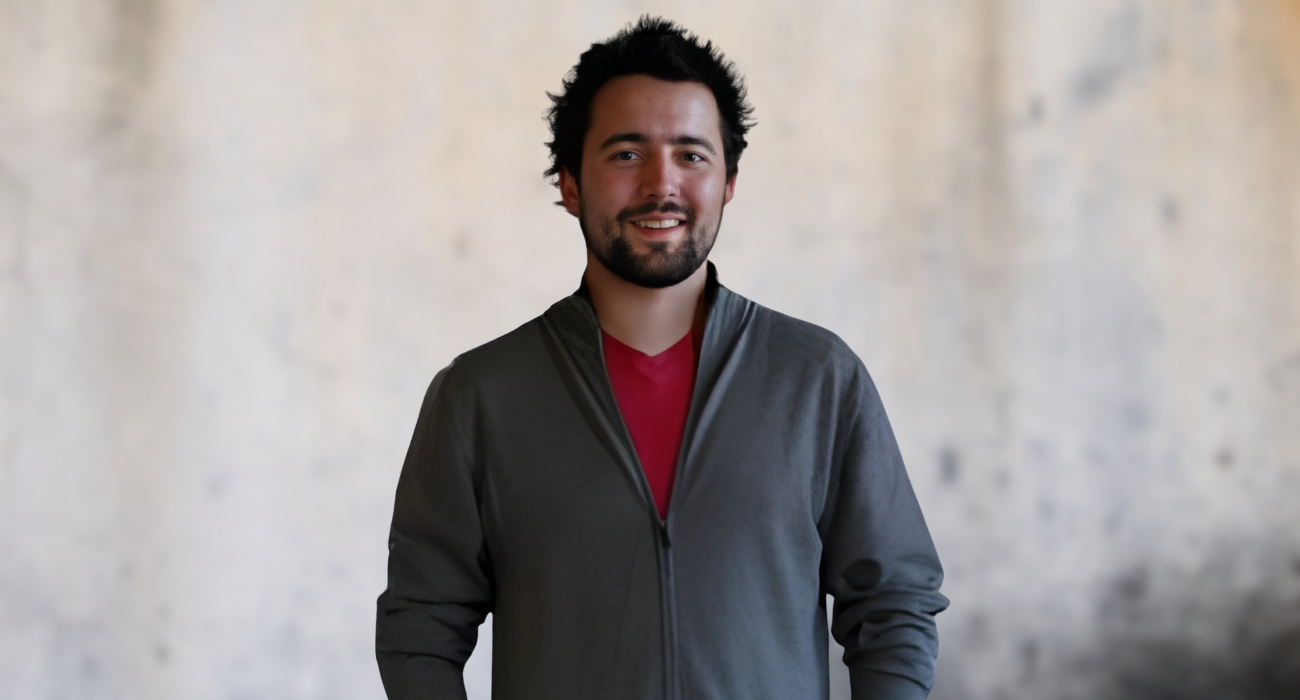
    Ep454: The Man Who Declared War on Waste: How TerraCycle Founder Tom Szaky Is Reimagining the Future of Consumption

    When Tom Szaky talks about waste, he doesn’t sound like a CEO. He sounds like a man on a mission — sharp, philosophical, relentlessly curious about the systems most people never question. And maybe that’s because the global waste crisis, as he sees it, isn’t an environmental issue. It’s an economic one.

    “Waste is not natural,” he says. “It was invented by humans about seventy-five years ago.”

    It’s a surprising truth that reframes everything we assume. In nature, nothing becomes useless. But in modern society, we’ve built a system where entire categories of materials have negative value — they cost more to dispose of than they’re worth. A cardboard box is recycled only because it’s profitable. A toothbrush, however, is destined for a landfill.

    Szaky saw an opening in that contradiction. And from that insight, TerraCycle was born.

    From Refugee to Revolutionary Thinker

    Born in communist-era Budapest, Tom’s life changed when his parents fled after the Chernobyl disaster. They spent years in refugee camps before finally landing in Canada. The instability of his early life shaped him, giving him a deep appreciation for possibility and the power of entrepreneurship.

    By the time he reached university, one question in an Econ 101 class hit him like lightning: What is the purpose of business? The textbook answer was simple: to maximize profit. Tom didn’t buy it — and that tension fueled everything he built after.

    Cracking the Code on Waste

    TerraCycle began as a scrappy experiment and grew into a company now operating in 20+ countries. Its core mission remains the same: raise waste up the hierarchy.

    From litter → to collected → to recycled → to reused.

    TerraCycle tackles what no one else wants:

    • coffee capsules

    • gloves

    • chip bags

    • lab waste

    • cosmetics packaging

    • balloons

    • and hundreds more “unrecyclable” items

    If traditional recycling markets ignore it, TerraCycle finds a way to process it.

    Turning Trash Into a Starting Point

    Beyond collection, TerraCycle transforms waste into raw materials used in everything from consumer products to Olympic podiums.

    Their next frontier? Reuse. Through Loop, TerraCycle partners with major brands to sell products in durable, returnable containers. Customers pay a deposit, use the product, return the empty, and TerraCycle takes it from there. It’s elegant. Simple. Scalable.

    It’s also a direct challenge to the disposable culture the world has normalized.

    A Business Built on Purpose

    Behind the operations, Tom’s philosophy is equally compelling. His rules of innovation are straightforward but rarely followed:

    • Don’t skip to solutions — understand the root.

    • Learn the rules of the system.

    • Embrace critique and iteration.

    • Keep purpose above profit.

    Even now, running a company reportedly earning over $100 million a year, he admits he sometimes wonders, “Is it enough?” But for him, growth has never been about money — it’s about impact.

    Inside TerraCycle’s Trash-Built Office

    Located in Trenton, NJ, the headquarters sits intentionally in one of the poorest cities in the U.S. Every corner tells the same story:

    • desks built from old doors

    • carpets pieced from remnants

    • walls made of soda bottles

    • furniture reclaimed from discarded materials

    It’s a workspace that forces creativity and reminds the team exactly why they’re there.

    Living an Unconventional Life

    When asked what it means to live unconventionally, Tom’s answer is sharp:

    “Don’t accept assumptions. Challenge why the world is the way it is — and find ways to elevate it.”

    It’s the philosophy that turned a refugee child into one of the world’s most innovative thinkers on sustainability.

    Giveaway

    We’re giving away:

    • Any book of Tom’s — your choice

    • One free Zero-Waste Box to recycle the hard-to-recycle

    A chance to start your own journey into circular living.

    Connect with Tom

  • Ep446: From National Geographic to Global Art Educator – Kevin Murphy on Demystifying Talent and Teaching Art Like a Science

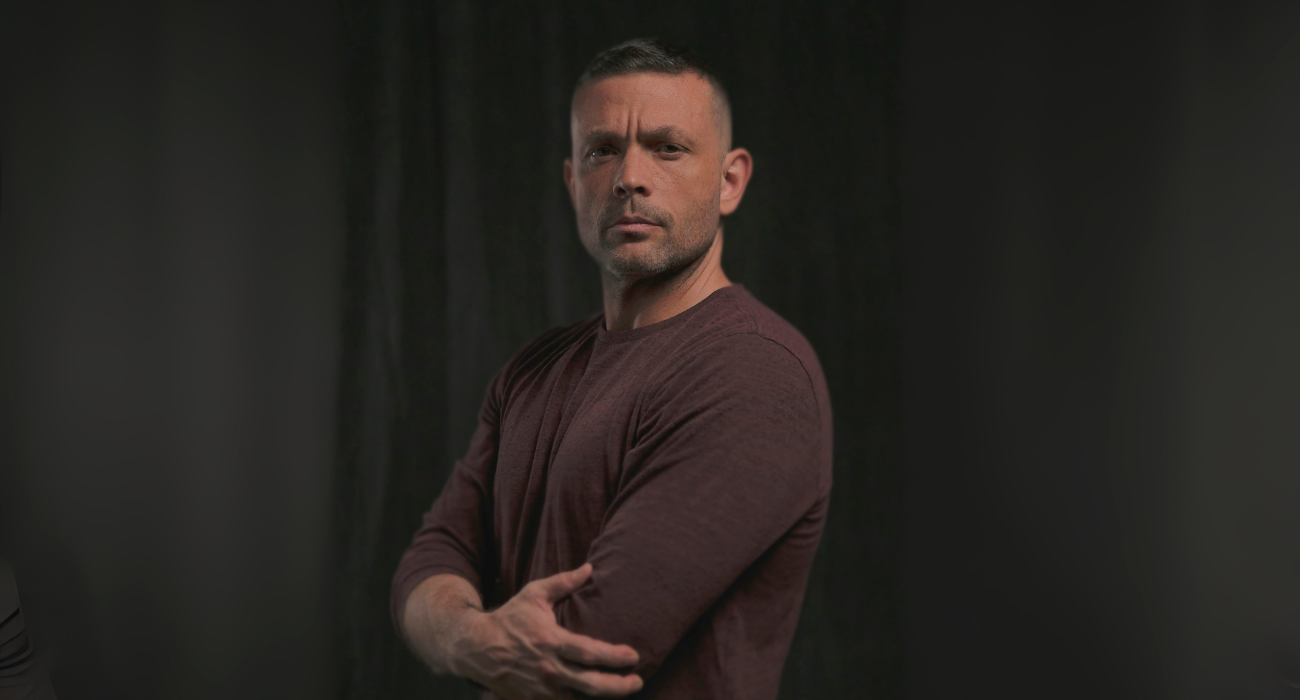
    Ep446: From National Geographic to Global Art Educator – Kevin Murphy on Demystifying Talent and Teaching Art Like a Science

    A Pivot From Portraits to Purpose

    In 2001, Kevin transitioned into portraiture. While the work was rewarding, he recognized a deeper need: people craved access to professional-level training without the gatekeeping of traditional art schools.

    So he founded the Art Academy and later Evolve Artist, an online painting program now studied in more than 70 countries. What sets his approach apart? A fundamentals-first method that treats painting not as mysterious “talent,” but as a science anyone can master.

    Why Talent Is a Lie

    Kevin is blunt about one of the biggest myths in art: talent.

    “Talent is a lie,” he shared. “What people call talent is really clarity, fundamentals, and practice.”

    By teaching art like a structured process rather than a guessing game, Kevin unlocks confidence in people who never thought they could paint. His students range from retirees picking up a brush for the first time to engineers and surgeons looking for a creative outlet.

    The results speak volumes: many outperform art school graduates—after just months of training.


    The Science of Realism: A Four-Step System

    Unlike the chaos of most art education, Kevin’s program is anchored in structure. Students begin in grayscale, mastering values and light before advancing into color.

    “When you know the rules, you have freedom,” Kevin explains. “Without them, you’re just guessing.”

    The clarity of this approach removes intimidation, giving even beginners measurable progress in weeks, not years.

    From Confusion to Clarity

    Kevin is critical of how art education often overwhelms students with “express yourself” before teaching them how. For him, it’s not about stifling creativity but building the foundation so creativity can actually flourish.

    “You can’t express yourself if you don’t yet have the tools,” he said. “Clarity builds confidence, and confidence unlocks creativity.”

    The Heart Behind the Method

    Kevin isn’t just teaching brushstrokes—he’s teaching self-belief. Many of his students have carried wounds from childhood, convinced they “weren’t creative.” His mission is to dismantle that narrative.

    “Art is for everyone,” he insists. “It’s not about who you were told you are. It’s about what you can learn and who you can become.”

    Why Evolve Students Outpace Traditional Grads

    The proof lies in the output. Evolve students routinely sell professional commissions, launch businesses, and develop mastery in a fraction of the time. The reason? Built-in feedback loops and a focus on fundamentals, rather than theory without application.

    It’s art training stripped down to what actually works.


    Living an Unconventional Life

    For Kevin, living unconventionally means rewriting the rules about who gets to be an artist. It means replacing intimidation with empowerment and proving that skill can be taught, measured, and mastered.

    His philosophy? Anyone can learn to paint. The only requirement is the willingness to start.

    Giveaway: Win Access to Evolve Artist Training

    As part of this episode, Kevin is offering listeners a chance to experience the Evolve Artist method for themselves. One lucky winner will gain exclusive access to his training resources, designed to help total beginners unlock the foundations of realistic painting.


    Connect with Kevin