Unconventional Life – Podcast, Blog, Live Events

Category: Business

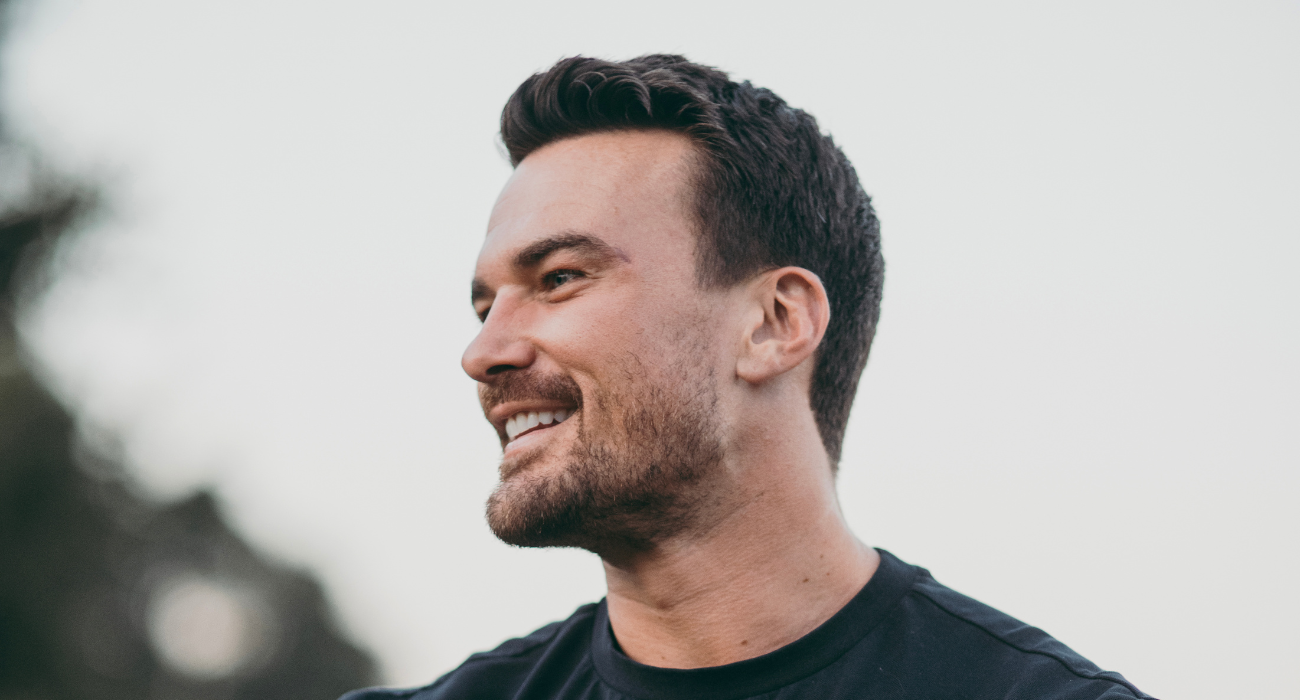
  • Ep476: Why Feeling “Fine” Isn’t Enough: Adam Woolard on Hormone Health, Performance, and Reclaiming Your Energy

    Ep476: Why Feeling “Fine” Isn’t Enough: Adam Woolard on Hormone Health, Performance, and Reclaiming Your Energy

    On paper, Adam Woolard was the picture of health.

    He exercised regularly, ate nutritious meals, surrounded himself with great friends, and lived an active lifestyle in California. Yet beneath the surface, something wasn’t right.

    In his early thirties, Adam began experiencing persistent fatigue, brain fog, low libido, aching joints, and declining performance in the gym. Despite doing everything “right,” he couldn’t shake the feeling that his body was working against him.

    The answers he received were frustratingly familiar.

    “Your labs look normal.”

    “Everything’s within range.”

    “You’re fine.”

    But Adam didn’t feel fine.

    Instead of accepting those answers, he chose a different path—one that ultimately transformed not only his own health but also his career. Today, as Vice President of Business Development and Health Coach at Joi + Blokes, Adam helps thousands of people uncover the hidden factors affecting their health through personalized hormone optimization, comprehensive lab testing, and holistic wellness strategies.

    On this episode of Unconventional Life with Jules Schroeder, Adam shares why conventional healthcare often misses the bigger picture, how hormones impact nearly every aspect of our lives, and why feeling “normal” shouldn’t be the standard we settle for.

    When Healthy Habits Aren’t Enough

    For Adam, the turning point wasn’t a dramatic diagnosis—it was the realization that healthy habits alone weren’t solving the problem.

    “I was doing all the things you’re supposed to do,” he explains. “I was exercising, eating well, sleeping reasonably well, but I still felt awful.”

    Like many people experiencing unexplained symptoms, he bounced between physicians and specialists searching for answers. Blood work repeatedly came back “normal,” leaving him with little more than reassurance that nothing was wrong.

    But Adam knew his body well enough to recognize otherwise.

    That intuition led him toward comprehensive diagnostic testing and functional medicine—an experience that completely changed how he viewed health.

    Instead of simply asking whether his numbers fell within broad population averages, practitioners looked at whether his body was functioning optimally.

    The difference was life-changing.

    The Dangerous Gap Between “Normal” and “Optimal”

    One of the biggest misconceptions Adam hopes to change is the belief that normal lab work automatically means good health.

    Traditional healthcare often focuses on identifying disease.

    Functional medicine asks a different question:

    How well is your body actually functioning?

    Adam discovered deficiencies and hormonal imbalances that weren’t severe enough to trigger alarms in conventional medicine but were significant enough to impact his daily life.

    Small adjustments to his hormones, nutrition, recovery, and exercise routine dramatically improved his energy, mental clarity, mood, and overall quality of life.

    “The goal isn’t just to avoid illness,” Adam says. “It’s to actually feel your best.”

    Trust Your Body—Even When Others Don’t

    Perhaps the most reassuring message Adam shares is directed toward anyone who feels dismissed by the healthcare system.

    “If you know something feels off,” he says, “don’t give up.”

    Many people begin believing their exhaustion, brain fog, low motivation, weight gain, or declining performance are simply inevitable parts of aging.

    Adam disagrees.

    He believes our bodies constantly communicate with us—and those signals deserve to be investigated rather than ignored.

    His advice is simple but powerful:

    You’re not crazy. Keep asking questions.

    Why Hormones Influence Nearly Everything

    Hormones often get reduced to conversations about menopause or testosterone, but Adam explains they’re involved in virtually every system in the body.

    They influence:

    • Energy levels

    • Mood

    • Mental clarity

    • Sleep quality

    • Muscle recovery

    • Metabolism

    • Libido

    • Motivation

    • Emotional resilience

    • Stress response

    When hormones become imbalanced, the effects can ripple across nearly every aspect of daily life.

    That’s why Adam emphasizes looking beyond isolated symptoms and understanding how the body functions as one interconnected system.

    Healthcare That Treats the Whole Person

    At Joi + Blokes, Adam’s philosophy centers around personalization rather than one-size-fits-all medicine.

    Instead of immediately prescribing medication, their team begins with a conversation.

    How are you sleeping?

    How are you managing stress?

    What does your nutrition look like?

    How’s your recovery?

    What symptoms are affecting your everyday life?

    Only after understanding the full picture do they create an individualized treatment plan that may include lifestyle changes, nutrition, supplementation, hormone optimization, peptides, or other evidence-based interventions.

    “It’s about building a foundation,” Adam explains—not simply masking symptoms.

    The Missing Conversation Around Women’s Hormones

    One of the most eye-opening moments in the conversation centers around menopause.

    Adam points out that many physicians receive surprisingly limited education on menopause and hormone replacement during medical training.

    The result?

    Countless women spend years navigating fatigue, anxiety, weight gain, sleep disruption, brain fog, and mood changes believing they’re simply expected to endure them.

    Adam believes education is changing, but there’s still significant work to do in helping women understand that they have options and deserve individualized care.

    Your Health Shapes Every Part of Your Life

    Throughout the conversation, Jules Schroeder reflects on her own journey with unexplained health challenges.

    Despite living an active lifestyle, she remembers suddenly experiencing debilitating fatigue, joint pain, and brain fog—an experience that left her feeling isolated and questioning herself.

    That shared experience highlights one of the episode’s central themes:

    Health isn’t separate from the rest of your life.

    It affects your relationships.

    Your confidence.

    Your business.

    Your creativity.

    Your mental health.

    Your ability to fully show up for the people you love.

    For Adam, optimizing health isn’t about chasing perfection—it’s about creating the energy and resilience needed to live life more fully.

    The Unconventional Path to Feeling Like Yourself Again

    Adam’s journey reminds us that wellness isn’t measured solely by the absence of disease.

    It’s measured by how you feel when you wake up each morning.

    Do you have energy?

    Can you think clearly?

    Do you feel motivated?

    Are you fully participating in your life?

    If the answer is no, it may be worth looking deeper.

    As more people begin questioning outdated healthcare models, Adam believes personalized medicine and hormone optimization will continue reshaping how we think about longevity, performance, and wellness.

    Because feeling “fine” shouldn’t be the finish line.

    Feeling your best should be.

    Connect with Adam

  • Ep475: Ep475: Awakening Isn’t Becoming Someone New with Amy Scott Rooker, Author of My Mother Is a Dragonfly

    Ep475: Ep475: Awakening Isn’t Becoming Someone New with Amy Scott Rooker, Author of My Mother Is a Dragonfly

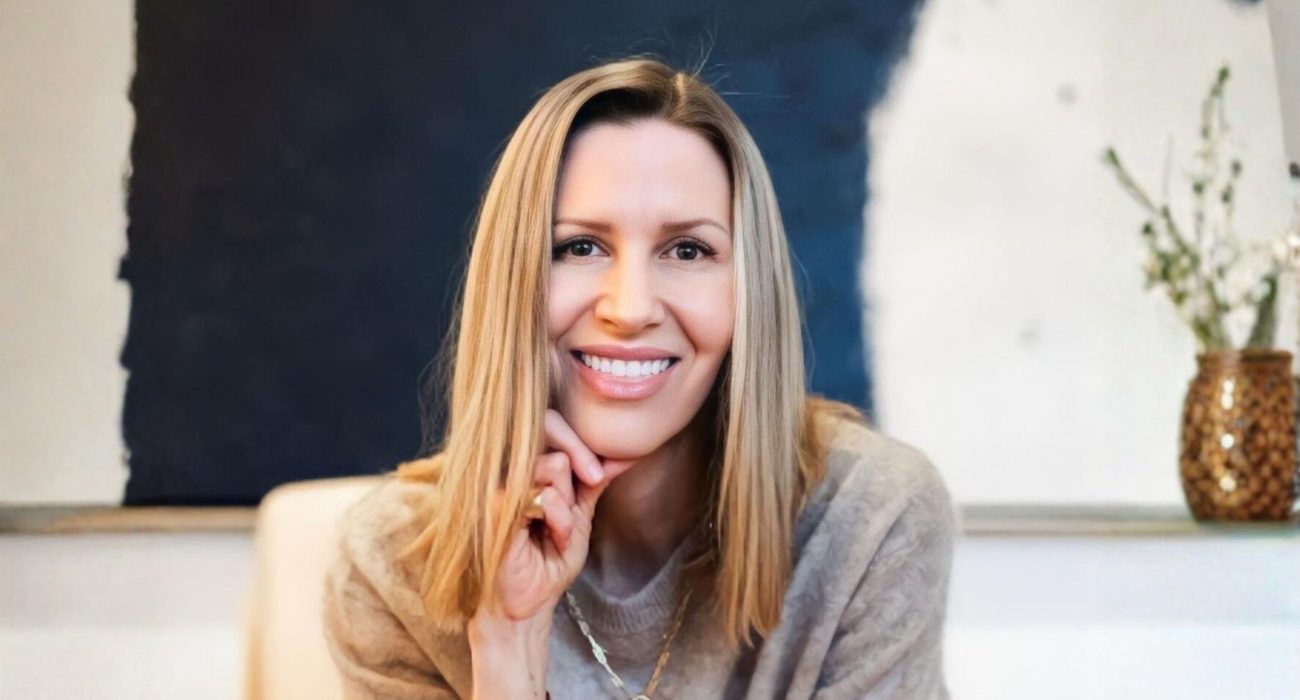
    By all outward measures, Amy Scott Rooker had achieved the kind of life many people spend decades chasing.

    She graduated from elite schools, built a successful legal career, earned an MBA, climbed the ranks in the technology industry, and checked every box society defines as success. She was intelligent, accomplished, respected, and constantly moving forward.

    Yet beneath every achievement lived a quiet truth she had spent years trying to outrun.

    The driven executive. The accomplished attorney. The high achiever.

    They were all versions of herself built to survive.

    On this episode of Unconventional Life, Amy joins Jules Schroeder to share the remarkable story behind her memoir, My Mother Is a Dragonfly—a deeply personal exploration of childhood sexual abuse, grief, addiction, spiritual awakening, and the long journey back to herself. Her story is ultimately not about trauma, but about remembering the person who existed long before survival became a way of life.

    When Success Becomes a Survival Strategy

    Amy’s childhood taught her that achievement was the safest place to hide.

    Raised in a family where excellence was expected, she quickly learned how to become the “good daughter.” Good grades led to prestigious schools. Prestigious schools led to law school. Law school opened doors to a successful career.

    From the outside, her life looked enviable.

    Inside, however, another story was unfolding.

    As a teenager, Amy experienced sexual abuse that fractured her sense of safety and identity. When she disclosed what had happened, the silence that followed became its own form of trauma. Without validation or protection, she learned to disconnect from her emotions and continue performing.

    Rather than processing pain, she buried it beneath accomplishment.

    The higher she climbed, the further she drifted from herself.

    For many listeners, Amy’s story serves as a reminder that high performance and hidden suffering often coexist. Success can become less about pursuing fulfillment and more about avoiding what feels unbearable to face.

    The Hidden Cost of Looking Like You Have It All

    Over the next several decades, Amy accumulated everything she believed would finally make her feel whole.

    A respected legal career.

    Executive leadership.

    Financial security.

    Professional recognition.

    Each milestone promised relief.

    None delivered it.

    Instead, perfectionism evolved into self-abandonment. Alcohol, disordered eating, overworking, and relentless productivity became coping mechanisms disguised as ambition.

    Looking back, Amy recognizes that she wasn’t building a meaningful life as much as constructing an identity capable of hiding her pain.

    Many people spend years asking, “Why am I still unhappy?”

    Amy offers another question:

    “What if your dissatisfaction isn’t a sign that you’re failing—but a signal that you’ve become disconnected from yourself?”

    That question became the turning point of her life.

    Grief Opened the Door Achievement Never Could

    The death of Amy’s mother marked the beginning of an entirely different journey.

    Loss stripped away many of the distractions she had relied on for decades. It forced her to confront not only grief, but the unresolved wounds she had carried since childhood.

    Instead of continuing to outrun her past, she decided to meet it.

    That decision led her into years of intentional healing through therapy, meditation, nervous system work, somatic practices, spiritual study, and eventually psychedelic-assisted experiences.

    Contrary to popular narratives, Amy is careful not to portray psychedelics as miraculous solutions.

    “They opened a door,” she explains.

    Walking through it—and continuing the work afterward—was where transformation truly began.

    Integration, not the experience itself, became the catalyst for lasting change.

    Healing Happens When the Body Finally Feels Safe

    One of the most practical insights Amy shares is that trauma doesn’t live exclusively in our memories.

    It lives in our bodies.

    Years of chronic stress, emotional suppression, and hypervigilance become stored physically through tension, nervous system dysregulation, and protective survival patterns.

    That realization transformed the way she approached healing.

    Meditation became less about emptying her mind and more about observing it with compassion.

    Breathwork became a daily reminder that safety could be cultivated from within.

    Somatic practices and fascia release allowed emotions that words could never fully reach to finally move through her body.

    Instead of asking how to eliminate difficult emotions, Amy learned to become curious about them.

    Every feeling carried information.

    Every trigger pointed toward an unhealed wound.

    Healing wasn’t about making discomfort disappear.

    It was about listening to what it had been trying to communicate all along.

    Awakening Isn’t Becoming Someone New

    Perhaps the most powerful idea throughout the conversation is Amy’s definition of awakening.

    Many people imagine personal transformation as becoming a better, stronger, or more evolved version of themselves.

    Amy sees it differently.

    Awakening is remembering.

    Remembering who you were before fear.

    Before shame.

    Before trauma.

    Before survival convinced you that love had to be earned through achievement.

    She explains that every layer of healing became an invitation to peel away identities she had accumulated throughout her life: the perfectionist, the achiever, the attorney, the executive, even the wounded survivor.

    What remained underneath was someone who had been there all along.

    Not broken.

    Simply forgotten.

    The Four Dimensions of Lasting Transformation

    Amy believes healing requires attention to four interconnected dimensions:

    The Mind, where limiting beliefs and unconscious stories are uncovered.

    The Body, where trauma is stored and eventually released.

    The Heart, where forgiveness, compassion, and emotional honesty begin to replace shame.

    Consciousness, where we reconnect with something larger than our identities and circumstances.

    Ignoring any one of these dimensions creates an incomplete healing process.

    True transformation, she explains, isn’t linear. It is layered, ongoing, and deeply personal.

    Redefining an Unconventional Life

    As Jules asks what living an unconventional life means to her, Amy’s answer beautifully captures the spirit of the episode.

    An unconventional life isn’t about rejecting society’s expectations simply for the sake of being different.

    It’s about having the courage to stop living according to survival.

    It’s choosing presence over performance.

    Authenticity over approval.

    Connection over achievement.

    And perhaps most importantly, remembering that beneath every role we’ve ever played exists an identity that never needed fixing in the first place.

    Final Thoughts

    Amy Scott Rooker’s journey reminds us that healing rarely begins when everything falls apart.

    More often, it begins when we finally stop pretending everything is fine.

    Her story is an invitation to anyone who has spent years performing strength while quietly carrying pain, chasing success while feeling empty, or believing that healing requires becoming someone entirely different.

    Perhaps the greatest transformation isn’t becoming a new person after all.

    Perhaps it’s finding the courage to come home to the one who has been waiting beneath the survival strategies all along.

    Giveaway

    Amy is generously giving one lucky Unconventional Life listener a copy of her powerful memoir, My Mother Is a Dragonfly. Through deeply personal storytelling and profound insights on trauma, grief, spiritual awakening, and healing, the book offers an honest roadmap for anyone ready to reconnect with their authentic self. Enter the giveaway for your chance to receive a copy and continue your own journey of transformation.

    Connect with Amy:

  • Ep474: The Beautiful, Unconventional Path to Parenthood with Joy of Life Surrogacy

    Ep474: The Beautiful, Unconventional Path to Parenthood with Joy of Life Surrogacy

    When Parenthood Doesn’t Follow the Script

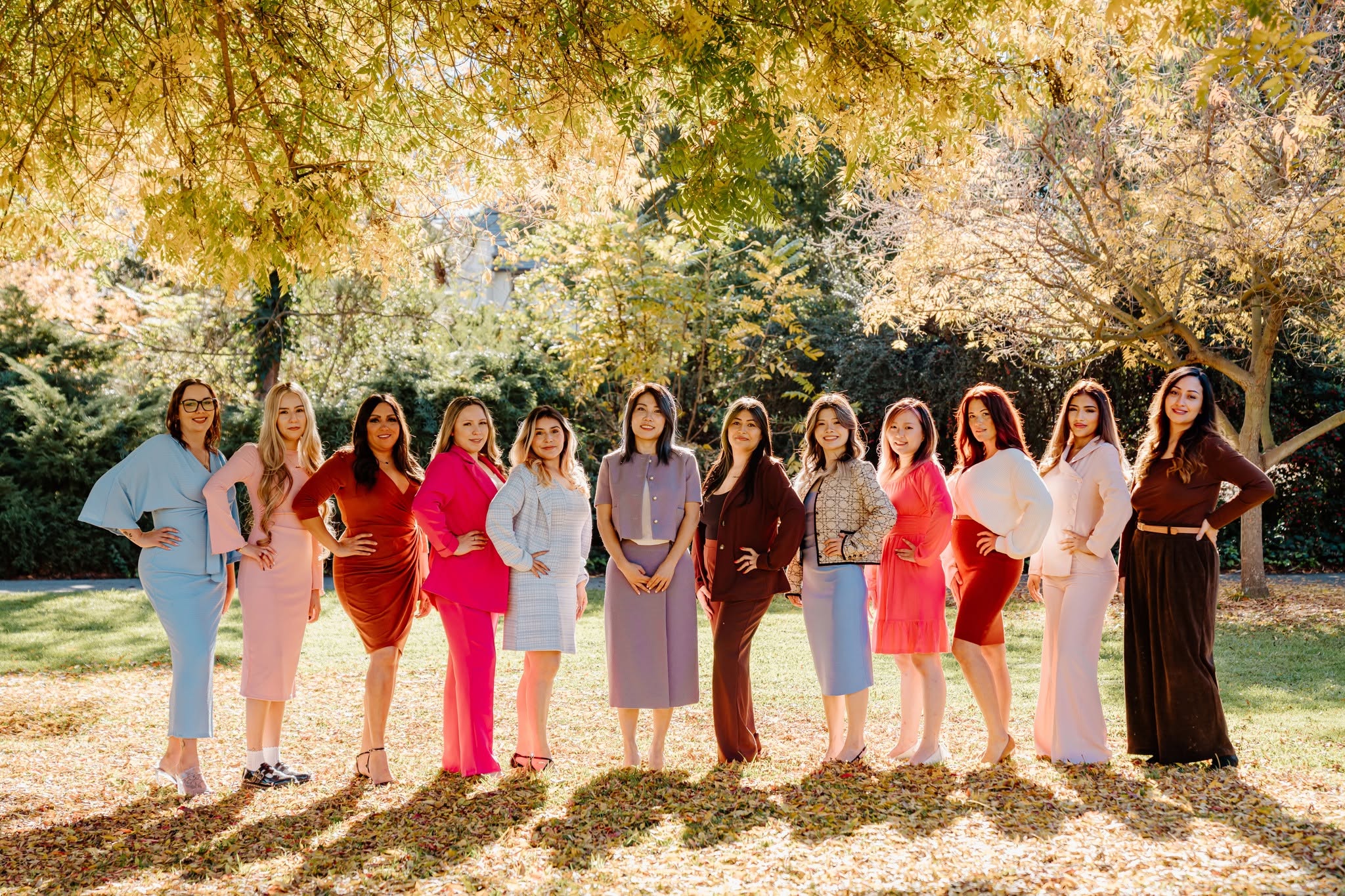
    Surrogacy is often discussed in fragments—medical steps, legal processes, emotional questions—but rarely in its full human complexity. In this conversation on Unconventional Life, Jules Schroeder sits down with Tia Calderon of Joy of Life Surrogacy to unpack what it actually means to build a family through surrogacy: the logistics, yes, but more importantly, the emotional landscape that both intended parents and surrogates must navigate.

    What emerges is a deeper truth: surrogacy is not a transaction or shortcut. It is a highly relational, deeply human journey shaped by trust, patience, and a willingness to surrender control.

    “How Am I Making My Baby?” — The Real Starting Point

    For intended parents, the process doesn’t begin with matching a surrogate. It begins with uncertainty.

    Tia breaks down how early-stage fertility decisions quickly become overwhelming:

    • Do we use our own embryos?

    • Do we need an egg or sperm donor?

    • What IVF clinic do we trust?

    • What testing is required before anything even begins?

    At Joy of Life, the role of an agency is not just matchmaking. It is navigation.

    The first real question becomes simple but profound: How am I making my baby?

    And from there, the journey unfolds step by step—never fast, never linear, and never as predictable as people expect.

    Grit, Not Speed: What Surrogacy Actually Demands

    One of the strongest themes in the conversation is time.

    Surrogacy is often imagined as a near-instant solution once a decision is made. Tia corrects that assumption directly.

    The reality includes:

    • Medical screening and psychological evaluation

    • Legal contracts and protections

    • Matching with the right intended parents or surrogate

    • IVF preparation and embryo transfer cycles

    • Emotional waiting periods with no guarantees

    For surrogates especially, Tia emphasizes that patience is non-negotiable.

    “You’re not going to get matched and immediately get pregnant.”

    The process requires emotional steadiness, realistic expectations, and what she calls grit—the ability to stay committed through uncertainty.

    From Preschool Classrooms to Surrogacy Deliveries

    Tia’s path into this work wasn’t linear either.

    Before joining Joy of Life Surrogacy, she spent 18 years as a preschool teacher. Her entry point into surrogacy began with something deeply personal: she considered becoming a surrogate for her sister-in-law.

    That plan shifted, but the calling didn’t.

    With three healthy pregnancies behind her, she chose to become a surrogate for a couple from France. That experience became a turning point.

    What stayed with her wasn’t just the pregnancy—it was the moment of separation and reunion:

    Watching intended parents hold their baby for the first time.

    “It was insane. Beautiful.”

    That moment reframed everything for her and eventually pulled her fully into the surrogacy world.

    The Origin of Joy of Life: A System Built on Presence

    Joy of Life Surrogacy itself was born from a moment of emotional rupture.

    Founder Joy worked inside fertility clinics, supporting families through IVF processes. But one experience changed her trajectory forever.

    A surrogate had just delivered via C-section. The intended parents left the hospital with their baby. The surrogate remained behind—alone, recovering, emotionally unanchored.

    No support. No presence. No one to walk her through the aftermath of one of the most intense experiences of her life.

    That image stayed with Joy.

    And it became the foundation for the agency’s philosophy:

    • Be present at appointments

    • Support both surrogate and intended parents

    • Never leave anyone alone in the most vulnerable moments

    • Offer 24/7 support through the entire journey

    Joy of Life wasn’t built to coordinate surrogacy. It was built to humanize it.

    The Question Everyone Asks: “Do Surrogates Get Attached?”

    Tia identifies this as the most common concern from prospective surrogates.

    Her answer is grounded, not theoretical.

    Yes—attachment happens. But it is not the same kind of attachment as motherhood.

    The distinction lies in intention and identity.

    Surrogates know from the beginning that:

    • The baby is not theirs

    • They are caregivers, not parents

    • Their role is temporary but meaningful

    Tia compares it to her years as a preschool teacher. She loved the children deeply. She cared for them. But the attachment never blurred into ownership.

    The same principle applies here—love without possession.

    And for her, witnessing intended parents finally hold their child reframes the entire experience as something profoundly fulfilling rather than emotionally conflicting.

    The Emotional Layer No One Talks About

    On the other side of the equation, intended parents carry their own emotional weight.

    Often, they arrive at surrogacy after:

    • Years of infertility struggles

    • Failed IVF cycles

    • Emotional exhaustion and grief

    • Financial strain and uncertainty

    Tia doesn’t minimize this. She names it directly.

    There is grief not only for what hasn’t happened—but for the life they thought they would have.

    This is where mental health support becomes essential.

    Joy of Life partners with specialists and builds support systems designed to hold both sides of the journey—because emotional resilience is not optional in this process.

    It is foundational.

    Science, Faith, and the Space Between

    A recurring tension in modern fertility conversations is the relationship between science and spirituality.

    Tia approaches it without conflict.

    Science creates possibility: IVF, embryo creation, and medical intervention now make parenthood accessible in ways that were not possible before.

    But she also acknowledges a limit:

    Even with all the technology, outcomes are not guaranteed.

    There is still something unpredictable, something beyond control.

    For many families, this is where faith enters—not as opposition to science, but as its counterpart.

    Not everything can be engineered. Some things must still be surrendered.

    What Most People Don’t Understand About Surrogacy

    When asked what people consistently underestimate, Tia is direct.

    First: timing.

    Nothing happens quickly. Every stage takes longer than expected.

    Second: emotional unpredictability.

    Both surrogates and intended parents must learn to adapt as circumstances shift.

    Third: the importance of choosing the right support system.

    Surrogacy is not something to navigate alone. The agency, medical team, and emotional support structure matter as much as the medical process itself.

    And finally: alignment.

    Matching is not just logistical. It is deeply relational.

    Values, expectations, communication styles, and emotional boundaries all matter.

    Tia compares it to choosing a life partner in terms of importance.

    Rapid Fire Reflections

    Tia closes with a few personal glimpses that reveal the simplicity behind her grounded presence:

    • She has given birth eight times, including surrogacies and her own children

    • Her daily success habit is making her bed

    • She has traveled to Germany and considers it a favorite memory

    • To her, an unconventional life means confidence—especially showing up fully even when self-doubt is present

    Final Takeaway

    Surrogacy, as described in this conversation, is not defined by medical procedures or legal frameworks. It is defined by relationships.

    Between strangers who become connected through trust. Between uncertainty and hope. Between loss and possibility.

    What Joy of Life Surrogacy represents is not just a pathway to parenthood—it is a reminder that even the most complex journeys still rely on something deeply simple:

    People showing up for each other.

    And in that sense, parenthood—no matter how it begins—is always built the same way.


    Connect with Joy of Life:

  • Ep473: The Truth About Hormones, Weight Loss & Midlife Health with Dani Conway

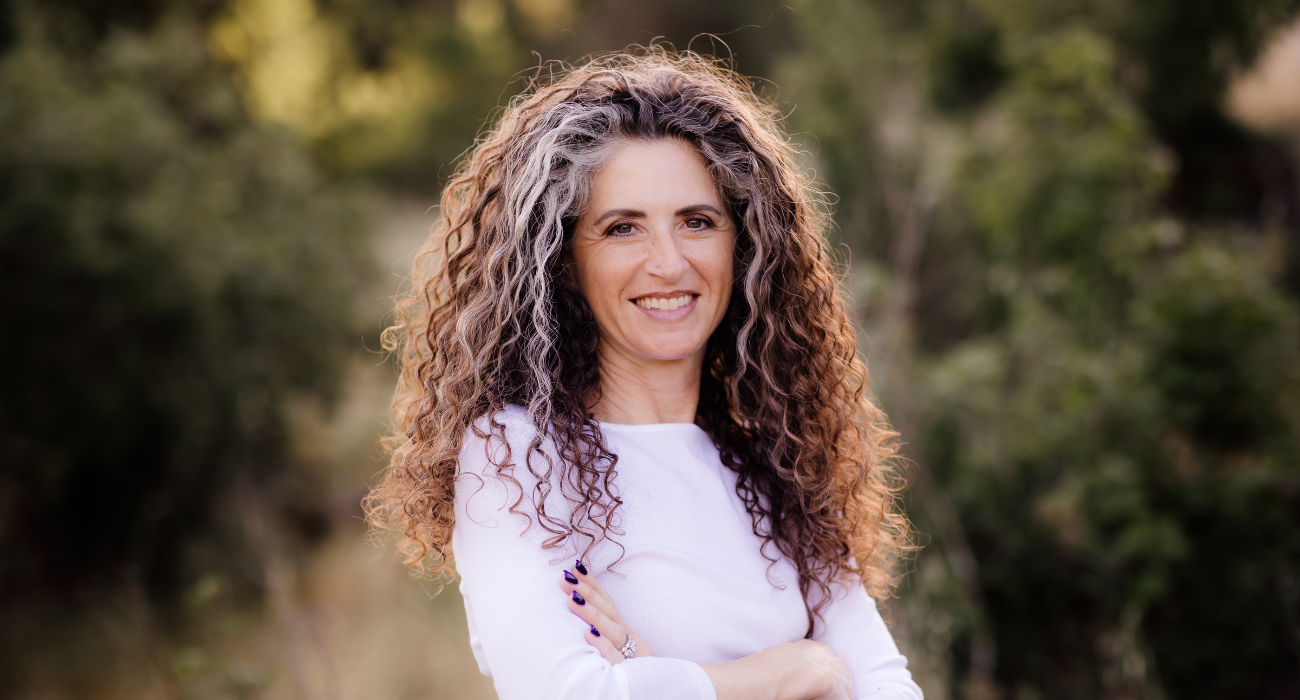
    Ep473: The Truth About Hormones, Weight Loss & Midlife Health with Dani Conway

    For years, Dani Conway heard the same response from doctors.

    Her lab work looked normal.

    The problem was, she didn’t feel normal.

    Despite being young and active, she struggled with symptoms that left her feeling disconnected from her own body. Fatigue, health challenges, and unanswered questions became part of her daily reality. Like many women, she found herself caught in a healthcare system that could identify disease but often struggled to explain why someone felt unwell.

    Instead of accepting that answer, Conway began asking different questions.

    That decision would ultimately change the course of her life.

    Today, she is a leading Functional Nutritionist helping women uncover the root causes behind hormone imbalances, digestive dysfunction, stubborn weight gain, and chronic fatigue. Through her programs, The Weight Loss Accelerator and The Wellness Collective, she has spent nearly two decades helping women reclaim their health by addressing what conventional approaches often overlook.


    The Search for Answers Became a Calling

    Many successful businesses begin with personal pain.

    For Conway, her professional expertise was born from necessity.

    Unable to find lasting solutions through traditional avenues, she immersed herself in the world of functional nutrition, advanced testing, metabolic health, and personalized wellness. What started as a quest to heal herself evolved into a mission to help others navigate similar challenges.

    The deeper she studied, the more she realized that symptoms rarely exist in isolation.

    A woman struggling with weight gain may also be dealing with hormone disruption. Hormone disruption may be connected to digestive dysfunction. Digestive issues may be influenced by chronic stress and poor detoxification pathways.

    Everything is connected.

    That philosophy became the foundation of her work.


    Beyond Weight Loss: The Real Goal Is Vitality

    Weight loss is often the reason women first seek help.

    Conway doesn’t dismiss that.

    Instead, she reframes it.

    Many women arrive wanting to fit into old jeans or feel more confident in their bodies. Yet as they progress through the healing process, something shifts. The conversation becomes less about the number on the scale and more about energy, confidence, strength, longevity, and quality of life.

    For Conway, sustainable weight loss is rarely the primary objective.

    It is often the natural outcome of a body functioning as it was designed to.

    This distinction has become increasingly important in a wellness industry dominated by quick fixes, restrictive diets, and temporary solutions.


    The Gut-Hormone Connection Most People Miss

    One of the most powerful insights Conway shares is that hormones are rarely the whole story.

    When women experience symptoms associated with hormone imbalance, the instinct is often to focus exclusively on hormones themselves. Yet Conway encourages a broader perspective.

    The digestive system, detoxification pathways, nervous system, and metabolic health all influence hormonal balance.

    Bloating, constipation, digestive discomfort, and poor elimination may seem unrelated to hormone health, but they often play a significant role in how hormones are processed and cleared from the body.

    Addressing these foundational systems can create ripple effects throughout overall health.

    It’s a reminder that true wellness isn’t about treating isolated symptoms. It’s about understanding the interconnected systems that drive them.


    Test, Don’t Guess

    In an era driven by wellness trends, Conway’s approach stands apart.

    Rather than recommending the latest popular protocol, she advocates for personalization.

    Whether discussing keto, carnivore, intermittent fasting, supplements, or exercise strategies, her message remains consistent: what works for one person may not work for another.

    The solution isn’t following trends.

    The solution is gathering data.

    Through advanced testing and individualized assessments, Conway helps clients understand what’s happening beneath the surface. Instead of relying on assumptions, they can make informed decisions based on their unique biology.

    It’s a philosophy that reflects the broader evolution of healthcare itself—moving away from generalized recommendations and toward precision wellness.


    Healing Requires More Than Nutrition

    While nutrition serves as the cornerstone of Conway’s work, she believes true healing extends beyond food.

    Stress, nervous system regulation, recovery, and daily habits all influence health outcomes.

    Simple practices like breathwork, lymphatic support, sauna use, and restorative routines often become powerful tools in helping the body move from survival mode into healing mode.

    For women balancing careers, families, businesses, and endless responsibilities, this lesson can be transformative.

    Health isn’t created solely through discipline.

    It’s also created through recovery.


    Defining Success on Her Own Terms

    The title of the podcast is Unconventional Life, and Conway’s journey embodies that spirit.

    Rather than accepting conventional answers, she created her own path.

    Rather than treating symptoms, she pursued root causes.

    Rather than building a business around trends, she built one around lasting transformation.

    Today, she helps women rewrite the narrative around aging and wellness. Her work challenges the belief that fatigue, weight gain, brain fog, and declining vitality are inevitable parts of getting older.

    Instead, she offers a different possibility:

    That women can feel stronger, healthier, and more vibrant in midlife than they did decades earlier.

    And for many of her clients, that’s exactly what happens.


    The Giveaway

    Dani is giving one lucky winner a complimentary month inside The Wellness Collective, her private membership community for women seeking better energy, hormone balance, metabolism, and overall wellness.

    Inside, you’ll gain access to weekly live trainings, expert guidance, Q&A sessions, and an incredible community of women committed to taking ownership of their health.

    If you’ve ever wished you could have a trusted nutrition and hormone expert just a message away, this is your chance.


    Connect Dani:

  • Ep472: Raising Emotionally Resilient Children in a Hyper-Stimulated World with Mindful Mantis Founders Mariana Gordon & Sondra Bakinde

    Ep472: Raising Emotionally Resilient Children in a Hyper-Stimulated World with Mindful Mantis Founders Mariana Gordon & Sondra Bakinde


    In a world where children are growing up surrounded by constant stimulation, social pressure, and rising levels of anxiety, Mariana Gordon and Sondra Bakinde believe one thing is missing from the conversation: emotional literacy.

    As co-founders of Mindful Mantis and authors of The Meditating Mantis, the two homeschooling mothers are on a mission to help children develop the tools many adults spend decades learning—self-awareness, resilience, mindfulness, and emotional regulation.

    What began as a desire to better support their own families has evolved into a movement dedicated to helping children navigate life with greater confidence, clarity, and inner peace.


    From Personal Healing to Collective Impact

    Neither Mariana nor Sondra set out to build a wellness company.

    Their journey began through personal experiences that revealed a deeper need. For Mariana, years spent working alongside children, therapists, and educators exposed a recurring challenge: many children were struggling emotionally, yet few were being taught practical tools to understand and process their feelings.

    At the same time, Mariana found herself navigating her own season of stress, burnout, and loss. After experiencing infertility challenges and a miscarriage, she began exploring alternative healing practices including breathwork, sound healing, acupuncture, energy work, and mindfulness.

    What she discovered transformed her life.

    Rather than treating wellbeing as something separate from everyday life, she began seeing emotional, physical, and spiritual health as deeply interconnected. That realization would eventually become a cornerstone of Mindful Mantis.

    For both founders, the question became simple:

    What if children learned these skills before life taught them the hard way?


    Why Emotional Literacy Matters More Than Ever

    While traditional education excels at teaching academic subjects, Mariana and Sondra believe one of the most important life skills is often overlooked.

    Children are rarely taught how to identify emotions, regulate stress, navigate anxiety, or process difficult experiences.

    Instead, many people enter adulthood carrying emotional patterns they never learned how to manage.

    Through Mindful Mantis, they aim to change that narrative.

    Their work focuses on helping children develop emotional awareness, resilience, gratitude, self-belief, and healthy coping strategies through practical, age-appropriate tools.

    Rather than suppressing emotions, children learn how to understand them.

    Rather than avoiding challenges, they learn how to move through them.

    The goal is not perfection. It is empowerment.


    Storytelling as a Gateway to Transformation

    One of the most unique aspects of Mindful Mantis is its use of storytelling.

    Recognizing that children often learn best through stories, the founders created The Meditating Mantis to introduce mindfulness concepts in a way that feels engaging, relatable, and fun.

    Through memorable characters and meaningful adventures, children are introduced to concepts such as gratitude, self-awareness, emotional regulation, and inner confidence.

    The approach allows children to absorb powerful lessons naturally, without feeling like they are being taught.

    It’s a simple idea with profound implications.

    Stories shape beliefs. Beliefs shape lives.

    By helping children see themselves as capable, resilient, and worthy, Mariana and Sondra hope to influence how an entire generation approaches life’s challenges.


    Raising Conscious Children in a Complex World

    The conversation also explores the realities facing modern families.

    Today’s children are growing up in a world filled with distractions, comparison, information overload, and constant digital stimulation. Anxiety and overwhelm have become increasingly common experiences for both parents and children alike.

    Rather than approaching these challenges through fear, the Mindful Mantis philosophy centers on practical solutions.

    Breathwork. Gratitude. Mindfulness. Reflection.

    Simple tools that help children reconnect with themselves amid the noise.

    The founders emphasize that resilience is not something children are born with. It is something that can be cultivated through consistent practice and intentional support.


    Building a Movement Beyond Books

    What started as a single story has expanded into a broader mission.

    Today, Mindful Mantis offers books, workbooks, educational resources, mindfulness practices, and family-centered tools designed to support emotional wellbeing. Their vision continues to grow through curriculum development, multimedia projects, and expanded educational offerings that bring mindfulness into homes, schools, and communities.

    At its heart, however, the mission remains unchanged.

    Help children understand themselves.

    Help families connect more deeply.

    Help future generations thrive.


    Choosing Alignment Over Convention

    When asked what living an unconventional life means, Mariana and Sondra offered a perspective that captures the essence of their journey.

    It means being willing to question systems, trust your intuition, and choose alignment over approval.

    That philosophy has guided them through homeschooling, entrepreneurship, personal healing, and the creation of Mindful Mantis.

    In doing so, they are helping families discover something increasingly rare in today’s fast-paced world: the power of slowing down, tuning in, and nurturing what matters most.


    Giveaway

    Win a Copy of The Meditating Mantis

    Ready to introduce mindfulness, emotional resilience, and self-awareness to the young readers in your life?

    We’re giving away a copy of The Meditating Mantis, the inspiring children’s book created by Mariana Gordon and Sondra Bakinde. Through engaging storytelling and meaningful life lessons, this book helps children develop confidence, emotional intelligence, gratitude, and inner calm.

    Enter now for your chance to bring these powerful tools into your family’s journey.

    Connect with Mariana & Sondra: