Unconventional Life – Podcast, Blog, Live Events

Category: Business

  • Ep462: Escape Survival Mode With a Real Health Roadmap with Dr. Sam Shay, DC, IFMCP

    Ep462: Escape Survival Mode With a Real Health Roadmap with Dr. Sam Shay, DC, IFMCP

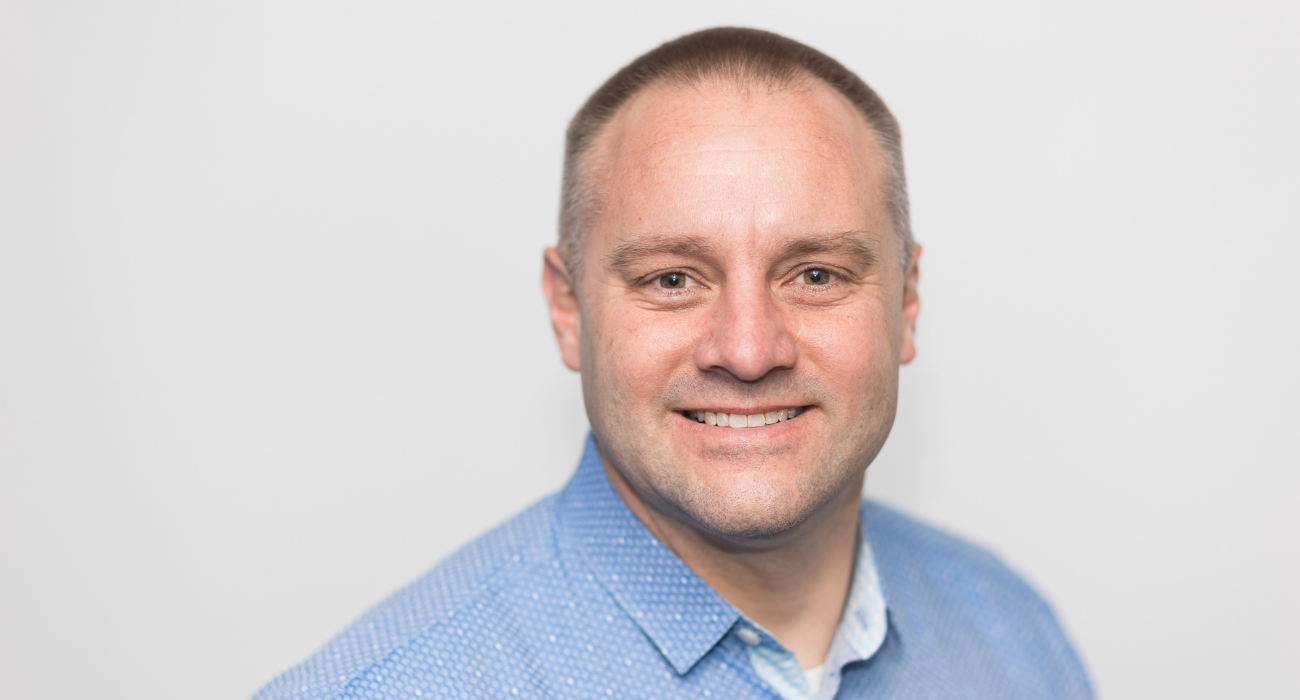
    If you have ever felt like you are doing “all the right things” and still crashing, this episode will feel like someone finally put language to the chaos. In this in-studio conversation, Jules Schroeder sits down with Dr. Sam Shay, a functional medicine expert (and stand-up comic) who has spent 25+ years helping people get out of survival mode.  Together, they unpack the missing piece in modern wellness: not more protocols, not more gadgets, not more supplements—an actual map. Because without a map, even the best tools get misapplied.

    In This Episode, You’ll Hear

    • Why biohacking can be more overwhelming than helpful without a roadmap
    • The difference between Western medicine and functional medicine—and why both matter
    • Dr. Sam’s “10 Pillars of Health” framework to identify what’s really breaking down
    • The 5 lab categories that help you stop guessing and start prioritizing
    • Why inflammation is often the “master switch,” and how genetics can reveal your pattern
    • How mold, toxins, and hidden infections can stack and trigger flare-ups
    • The overlap between sensitivity, neurodivergence, stress load, and chronic inflammation
    • Why an unconventional life includes both superpowers and kryptonite

    The Big Theme: Tools Don’t Work Without a Map

    Dr. Sam describes a common trap: people discover functional health, then immediately get hit with an endless menu of interventions. It becomes a cycle of: practitioner → protocol → product suite → hope → disappointment → repeat Not because the tools are bad, but because the tools are being used without context. He emphasizes that the transition window (roughly 35–55/60) is when people are most likely to start asking: “I built the life… but do I have the health to enjoy it?” That is where his idea of health freedom comes in—the freedom that makes time, money, purpose, and relationships actually enjoyable.

    Jules’ Story: When the Lights Went Off

    Jules shares a powerful personal experience of being diagnosed with autoimmune issues and a reactivated Epstein-Barr virus, alongside early MS-like symptoms. What made it especially confusing was that she felt she was already living a “healthy” life—until her body suddenly wasn’t. Her turning point was finding a practitioner who could offer a model: a way to make sense of the symptoms and prioritize the path forward. That sets the tone for the entire episode: the real danger is not having answers—it is not having a structure for deciding what to do next.

    Functional Medicine, Simplified

    Dr. Sam defines functional medicine as: the best of Western lab diagnostics + the best of natural medicine lifestyle tools He also explains the difference in “medical mission”:
    • Western medicine was built on triage (crisis → stable)
    • Functional medicine is built for optimization (chronic → normal → optimal)
    He is not anti-Western medicine. He is anti-misuse. His question is simple: Is it safe? And does it work?

    The 10 Pillars of Health (The Lifestyle Map)

    One of the most useful parts of this conversation is the framework Dr. Sam built after years of working with chronically ill clients (especially women). His “10 Pillars” are designed to show what is collapsing—without getting stuck in symptom-chasing. He lists the pillars as:
    • Brain
    • Bowel
    • Body
    • Burst exercise
    • Biotoxins
    • Bionutrients
    • Breakfast
    • Bothers (stress/trauma load)
    • Bugs (infections)
    • Bedtime (sleep)
    His clinical observation is blunt and clarifying: Most chronically struggling people have at least 7 out of 10 pillars crumbling. And most protocols only address 1–3 pillars well. So yes—you might be “healthier on paper,” but still feel stuck.

    The 5 Lab Categories (The Lab Map)

    Dr. Sam pairs lifestyle with labs so you can see the problem from two directions:
    • Lifestyle = outside-in
    • Labs = inside-out
    • Both together = a fuller picture (holistic)
    His five lab categories:
    1. Gut (comprehensive gut testing, SIBO/SIFO considerations, food intolerances)
    2. Hormones (thyroid, adrenals, sex hormones)
    3. Mitochondria + metabolic basics (mito function + CBC/CMP/blood sugar regulation)
    4. The “weird stuff” (mold, metals, environmental toxins, hidden infections like Lyme/Epstein-Barr)
    5. Genetics (but only if it’s prioritized and actionable)

    Where to Start If You’re Overwhelmed

    If you can’t do everything at once, Dr. Sam recommends a surprisingly practical starting point:

    Start with genetics

    Why?
    • It is a one-time test whose results apply for life
    • It can reveal your “no-go zones” (diet/lifestyle triggers)
    • It can point to nutrigenomic needs—nutrients that can shift gene expression patterns, not just generic nutrition advice
    He also warns about genetics reports that dump hundreds of results with no prioritization—because that often leads to overwhelm, confusion, and paralysis.

    Inflammation: The “Master Switch” Conversation

    One of the strongest threads in the episode is inflammation. Jules shares that focusing on lowering inflammation created a domino effect for her health—especially after mold exposure and strange immune reactions. Dr. Sam adds an important reframe: Inflammation has a purpose:
    • repair tissue damage
    • fight infection
    But when your inflammatory system is genetically “high-alert,” modern life can become the wrong environment for your wiring. He explains the evolutionary tradeoff:
    • strong inflammation can help you survive acute injury faster
    • but can increase risk for chronic inflammation over time
    Translation: your genes aren’t “bad.” They may simply be mismatched to the current terrain.

    Sensitivity, Neurodivergence, and Stress Load

    Jules asks about hypersensitivity and neurodivergence, and Dr. Sam offers a compelling explanation:
    • There may be emerging genetic overlaps involving inflammatory pathways
    • But there is also the lived reality of sensory load
    He explains a theory around reduced “synaptic pruning” in autism spectrum brains—meaning sensory input stays wide open: sounds louder, lights brighter, touch more intense. That constant overwhelm can create chronic stress, which can then suppress immune function and amplify inflammation.

    A Unique Twist: Comedy as Advocacy

    Dr. Sam’s work is both deeply technical and deeply human, and humor is part of his medicine. He shares his stand-up show concept, designed to be both accessible and educational, and offers an on-the-spot excerpt that perfectly captures how his brain works: analytical, literal, caring, and unintentionally hilarious. It is a reminder that healing is not only about protocols. It is also about becoming understandable to yourself again.

    Key Takeaways

    • Tools are not enough. You need a map.
    • Western medicine and functional medicine have different goals—and both can matter.
    • Chronic issues often involve multiple “pillars” collapsing at once.
    • Labs and lifestyle together create a clearer decision-making framework.
    • Genetics can be a powerful first step when you need lifetime clarity and prioritization.
    • Inflammation is not just a villain—it is a system that can become miscalibrated.
    • Sensory overwhelm and chronic stress can be physical drivers, not personality flaws.

    Connect with Dr. Sam Shay

    🌍 Connect with Jules Schroeder

  • Ep461: Stop Waiting for Permission: Magnetism, Lifestyle Freedom, and the Business of Being You

    Ep461: Stop Waiting for Permission: Magnetism, Lifestyle Freedom, and the Business of Being You


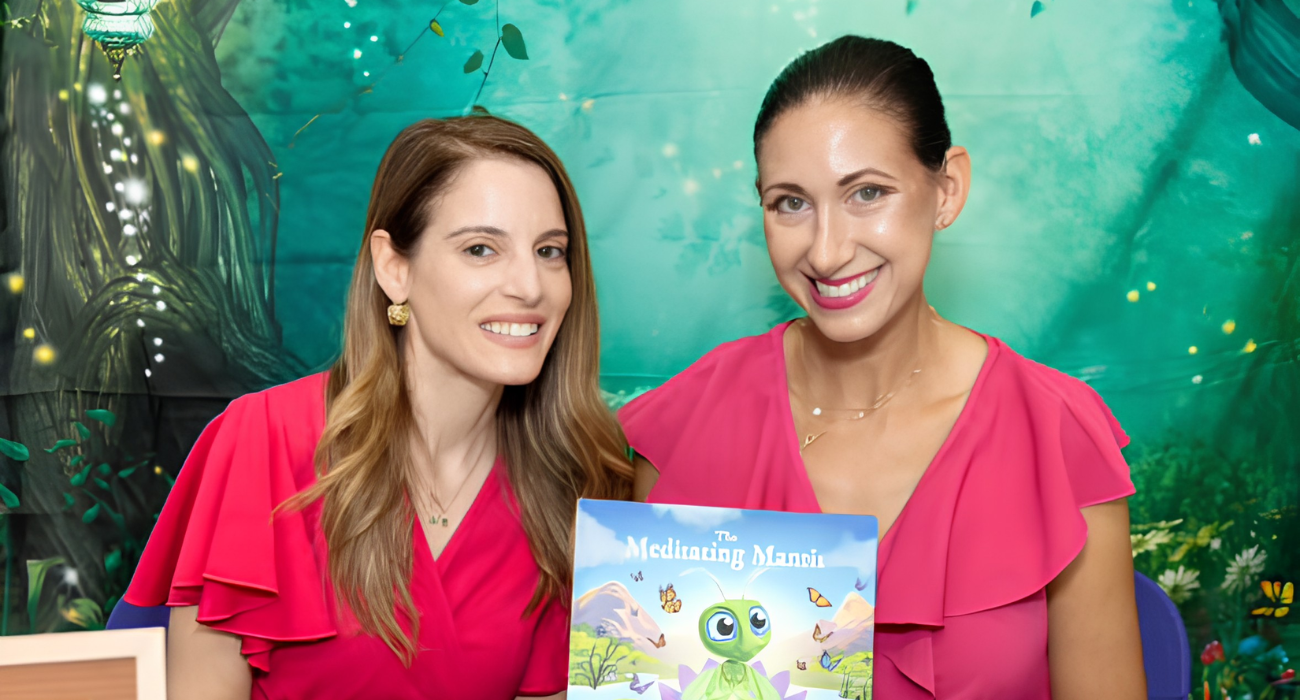
    What if the life you want isn’t something you earn after success—but something you design first? In this deeply personal sisters episode, Unconventional Life host Jules Schroeder sits down with her sisters Raya Slavin and Mary Schroeder to unpack identity, money, magnetism, and lifestyle freedom.

    This conversation is for creatives, entrepreneurs, and visionaries who feel stuck between who they are and what they’re “allowed” to want. It matters because freedom isn’t just financial—it’s nervous-system safe, identity-aligned, and built to last.

    Main Topics Covered

    • The “starving artist” myth and how it quietly shapes identity
    • Identity + income collisions and why visibility feels unsafe
    • Nervous system regulation as a prerequisite for sustainable success
    • Designing lifestyle first, then building business backward
    • Magnetism, congruence, and authentic branding
    • Lifestyle freedom vs. hustle culture
    • The role of family, community, and creative support
    • The origin and mission of Pink Lemon Agency

    Key Takeaways

    • Desire is not indulgent—it’s information and fuel
    • Strategy without nervous-system safety leads to burnout
    • Lifestyle freedom looks different for everyone
    • Visibility becomes possible when identity and income integrate
    • Sustainable success requires structures for fulfillment, not just growth

    Episode Chapters

    0:00 – 3:10 | Sisterhood, Origins & the Birth of Unconventional Life
    Jules welcomes her sisters, reflects on nearly a decade of Unconventional Life, and sets the tone for a family-rooted conversation about creativity, business, and evolution.

    3:10 – 6:05 | The Starving Artist Myth & Identity Conditioning
    Mary shares her journey as a circus artist and how internalized beliefs around money, art, and worth quietly shaped her identity and visibility.

    6:05 – 10:20 | Choosing Safety Over Self-Expression (and the Cost of It)
    Raya explores growing up with “safe career” expectations, suppressing creative desires, and how early web design work with Jules Schroeder opened a new path.

    10:20 – 14:00 | Magnetism, Congruence & Authentic Branding
    The sisters unpack what makes a brand magnetic in a saturated world—and why congruence, family, and creative alignment matter more than tactics.

    14:00 – 17:40 | Lifestyle Freedom vs. Hustle Culture
    A deep dive into designing life before business, reversing the grind-first model, and redefining success beyond money and optics.

    17:40 – 24:55 | Nervous System, Visibility & the Zone of Turbulence
    Identity meets income as they discuss nervous system regulation, fear of being seen, charging for gifts, and learning to hold expansion without collapsing.

    24:55 – 40:30 | The Business of Being You & Riding the Wave
    From handstands and toilet paper rolls to surfing metaphors and legacy-building, the episode culminates in a call to act, trust timing, and live an aligned, unconventional life.


    One-Liner Quotes

    • Mary Schroeder: “Desire is the most powerful current and currency we have.”
    • Raya Slavin: “Visibility is safe when it’s free—charging brings identity online.”
    • Jules Schroeder: “What if you engineered your lifestyle first and built the business backward?”

    Connect with the Schroeder Sisters

    Jules Schroeder:

    Raya Slavin:

    Mary Schroeder:

  • Ep460: How Brent Kesler Paid Off $984,711 in Debt in 39 Months—By Getting Uncomfortable With “Normal” Money Rules

    Ep460: How Brent Kesler Paid Off $984,711 in Debt in 39 Months—By Getting Uncomfortable With “Normal” Money Rules

    In personal finance, comfort is usually treated like the finish line. Stable income. Predictable expenses. A plan that doesn’t rock the boat.

    Brent Kesler believes that’s exactly the problem.

    “In your financial life, if you feel comfortable,” he tells Jules Schroeder, “you’re probably not at a good place. You need to get a little uncomfortable… to know you’re really making progress.”

    It’s a bold take—until you hear the numbers behind it.

    Kesler, founder of The Money Multiplier and creator of the TMM Method, says he paid off $984,711 in third-party debt in 39 months and has since helped 17,000+ clients across all 50 U.S. states reclaim financial control using the same strategy.

    Episode 419_ Maya Elious

    And his story didn’t start in finance.

    It started in chiropractic clinics… and a debt total he couldn’t unsee.


    From Five Clinics to One Big Wake-Up Call

    Before he was teaching wealth education full-time, Brent was a chiropractor running five clinics in the Kansas City area. He was “good at making money,” he says, but not good at keeping it—something he believes describes most people.

    In 2006, he attended a chiropractic conference and heard a talk about “becoming your own banker”—a concept rooted in wealth strategies used for generations by legacy families. It sounded too good to be true.

    He bought the book Becoming Your Own Banker by R. Nelson Nash… and did nothing with it.

    That decision cost him two years.


    The Difference Between Knowing and Doing

    At another conference years later, Kesler ran into colleagues who had implemented the strategy. Their results weren’t theoretical. They were practical, visible, and repeatable: debt shrinking, money recycling, cash flow improving without “working harder.”

    He came home and told his wife they had to implement the concept.

    Then came the part most people avoid: the honest inventory.

    In February 2008, Kesler says he was $984,711 in debt—a number he knew down to the last dollar because identifying it was part of the process.

    “It’s a very painful exercise,” he admits, “when you start adding up student loans, credit cards, houses, cars… whatever it is.”

    But pain did something powerful.

    It turned information into action.


    The 3-Part Foundation: Mindset, Systems, Mentors

    Before Brent teaches tactics, he goes straight to the real blocker: mindset.

    He frames transformation as a three-part requirement:

    • Mindset: deciding you’re done outsourcing your financial future

    • Systems: using a proven process instead of willpower and guesswork

    • Mentors: learning from people who already have what you want

    He’s blunt about the biggest mindset trap: taking advice from people who don’t have the results you’re chasing—especially family.

    It’s not that they’re malicious, he explains. It’s that they’re operating from their own limitations and fear.

    If you want a different outcome, you need a different reference point.


    “It Doesn’t Matter If You Make $10 or $10,000 an Hour”

    A standout moment in the conversation is Kesler’s insistence that wealth isn’t about income—it’s about how money moves.

    He argues that financial tools are available to everyone, but the wealthy use them differently.

    Same tools. Different strategy. Different outcome.

    That’s where his “one-step” concept comes in


    The Money Leak Everyone Accepts as Normal

    Kesler breaks it down with a simple example:

    You buy a $20,000 car.
    You hand over the money.
    You drive away with the car.

    Great transaction… except the money is gone.

    It left your family. Permanently.

    Kesler’s promise is the opposite: buy the car and recapture the money by adding one strategic step before the purchase—so you can recycle those dollars again and again.

    He knows it sounds insane.

    Which is why he says most people tune out right when he names the vehicle.


    The Tool He Uses (And Why It Triggers People)

    The system he teaches is rooted in the Infinite Banking Concept and relies on a very specific type of vehicle:

    A specially designed whole life insurance policy from a mutual company that pays dividends—engineered for high immediate cash value.

    Not term. Not IUL. Not the generic policy someone tries to sell you at a family gathering.

    He claims that when designed properly, you can fund the policy and access cash value quickly (he repeatedly says “immediately,” defining that as within ~30 days). The purpose isn’t the policy itself—it’s what it allows you to do with your capital:

    • keep money compounding

    • access liquidity for purchases/investing

    • create a “private banking” structure

    • reduce reliance on traditional lenders

    And ultimately, build a system where your expenses—yes, even your “normal” purchases—can become part of your wealth-building engine.


    “Why Wait Until You Die to Use It?”

    Kesler also reframes life insurance as a living tool, not just a death event.

    Instead of a policy that only benefits beneficiaries later, he positions it as a structure that lets you use capital while alive—then pass on the remaining legacy as a tax-advantaged benefit.

    He encourages listeners to treat repayments like they would a bank: if you borrow, pay it back with interest—because your money deserves the same respect as a lender’s money.


    The Unconventional Life Isn’t About More Money; It’s About More Time

    In the rapid-fire round, Kesler gets surprisingly reflective.

    Unconventional living, for him, means recognizing time as the true non-renewable asset—and choosing what matters now, not “someday.”

    He talks about aging, watching people lose health, and hearing the same regret repeated in different ways:

    “I wish I would’ve enjoyed things earlier.”

    So while this episode is about money, the subtext is clear: financial sovereignty is really about freedom of time, choice, and presence.


    Giveaway

    Brent is offering multiple resources for listeners, including:

    • E-book giveaway: Mapping Out the Millionaire Mystery (free to anyone who requests it)

    • Bonus winner giveaway: Two hard copies of Becoming Your Own Banker by R. Nelson Nash 

     
  • Ep455:Listening Instead of Hustling: How Lauren Salaun Is Redefining Success Through Feminine Energy

    Ep455:Listening Instead of Hustling: How Lauren Salaun Is Redefining Success Through Feminine Energy

    For nearly two decades, Lauren Salaun did everything right—on paper.

    She built a successful career in marketing and PR. She mastered achievement, structure, and forward momentum. And yet, beneath the polished resume and external wins, something felt off. Burnout crept in. Relationships felt strained. Fulfillment stayed just out of reach.

    What ultimately changed Lauren’s life wasn’t another strategy, certification, or goal.

    It was learning to listen.

    Today, Lauren Salaun is a transformational coach, somatic healer, and host of the Amplify podcast. Her work centers on helping high-achieving women recalibrate their nervous systems, reconnect with their bodies, and shift from force-driven success to alignment-led living. On Unconventional Life with host Jules Schroeder, Lauren shares how slowing down became the fastest path forward.

    From Overachievement to Alignment

    Lauren’s early career was fueled by discipline and drive—qualities that served her well professionally but quietly disconnected her from her intuition.

    Like many high performers, she followed the path she believed she should take rather than the one her inner voice was nudging her toward. Over time, ignoring that voice came at a cost.

    Burnout wasn’t sudden. It was cumulative.

    The turning point came when Lauren began tuning into what she calls soul nudges—a blend of intuition, faith, and embodied knowing. Instead of asking what made logical sense, she started asking what felt true.

    The result wasn’t chaos or loss of control. It was clarity.

    Alignment, she learned, isn’t passive. It’s deeply intentional—and it requires presence.

    Healing the Patterns That Shape Love

    Lauren’s work around relationships was born from personal experience. Following her divorce in 2020, she chose not to repeat old narratives or rush into the next chapter. Instead, she looked inward.

    She examined the unconscious patterns that shaped her relationships—how her nervous system responded to intimacy, how achievement masked emotional needs, and how self-protection showed up as independence.

    This inquiry became the foundation of her coaching practice, particularly for women navigating dating, partnership, and identity after major life transitions.

    Rather than fixing external circumstances, Lauren helps women understand the internal dynamics driving their choices.

    The Myth of “Not Enough Masculine Men”

    One of the most striking moments in the conversation centers on a belief Lauren hears often from successful women:

    “There just aren’t enough masculine men.”

    Lauren doesn’t sugarcoat her response.

    The issue, she explains, is rarely a lack of masculine energy in the world. It’s that many women are leading with hyper-masculine energy themselves—constant doing, controlling outcomes, and staying perpetually guarded.

    This isn’t a flaw. It’s a survival strategy.

    But when masculine drive dominates without balance, it blocks polarity, attraction, and emotional safety.

    The solution isn’t becoming smaller or less capable. It’s learning how to soften without self-abandoning—and how to receive without guilt.

    Feminine Energy Is Not Weakness

    Lauren is clear: feminine energy has been deeply misunderstood.

    It isn’t passivity. It isn’t submission. And it certainly isn’t incompetence.

    At its core, feminine energy is receptive, intuitive, cyclical, and sensory. It thrives on presence rather than pressure.

    When women reconnect with this energy, they often experience unexpected shifts—not only in relationships, but in money, creativity, and opportunities.

    Life begins to respond instead of resist.

    Regulating the Nervous System, One Small Moment at a Time

    For women who already feel overwhelmed, Lauren emphasizes that healing doesn’t start with massive lifestyle changes.

    It starts small.

    One of her simplest practices: sitting outside for five minutes with eyes closed and tuning into the senses. No fixing. No analyzing. Just noticing.

    These moments of regulation bring women back into their bodies—out of mental overdrive and into grounded awareness.

    She also reframes emotional regulation not as suppression, but as discernment. Emotions become information, not instructions.

    Neurodivergence as Magnetism

    Lauren also speaks openly about neurodivergence, reframing it as a source of depth and power rather than limitation.

    Neurodivergent individuals often bring heightened creativity, presence, and emotional intensity into relationships. The challenge isn’t capacity—it’s boundaries.

    Not everyone deserves access to that energy.

    With awareness comes the ability to design environments, relationships, and rhythms that support—not drain—these natural strengths.

    Magnetism Begins with Boundaries

    Throughout the episode, Lauren returns to a central truth: magnetism isn’t something you perform. It’s something you embody.

    Women become magnetic when they stop abandoning themselves, honor their boundaries, and allow life to meet them halfway.

    This shift changes everything—from how partners respond to how opportunities appear.

    Faith, Presence, and an Unconventional Life

    Behind the scenes, Lauren describes herself as playful and expressive. Her daily grounding practice is prayer—a relationship built on trust rather than control.

    For her, living an unconventional life means choosing authenticity over expectation and alignment over appearance.

    Success, she believes, should feel as good as it looks.

    Giveaway: Communicating With Ease and Polarity

    Lauren is offering listeners a powerful giveaway:

    • A texting and communication guide designed to activate masculine energy through feminine expression

    • A one-on-one coaching session

    The guide focuses on subtle yet transformative shifts that change relational dynamics without manipulation or self-betrayal.

    Enter the giveaway and listen to the full episode to learn how alignment—not effort—creates lasting attraction.

    Connect with Lauren:

  • Ep454: The Man Who Declared War on Waste: How TerraCycle Founder Tom Szaky Is Reimagining the Future of Consumption

    Ep454: The Man Who Declared War on Waste: How TerraCycle Founder Tom Szaky Is Reimagining the Future of Consumption

    When Tom Szaky talks about waste, he doesn’t sound like a CEO. He sounds like a man on a mission — sharp, philosophical, relentlessly curious about the systems most people never question. And maybe that’s because the global waste crisis, as he sees it, isn’t an environmental issue. It’s an economic one.

    “Waste is not natural,” he says. “It was invented by humans about seventy-five years ago.”

    It’s a surprising truth that reframes everything we assume. In nature, nothing becomes useless. But in modern society, we’ve built a system where entire categories of materials have negative value — they cost more to dispose of than they’re worth. A cardboard box is recycled only because it’s profitable. A toothbrush, however, is destined for a landfill.

    Szaky saw an opening in that contradiction. And from that insight, TerraCycle was born.

    From Refugee to Revolutionary Thinker

    Born in communist-era Budapest, Tom’s life changed when his parents fled after the Chernobyl disaster. They spent years in refugee camps before finally landing in Canada. The instability of his early life shaped him, giving him a deep appreciation for possibility and the power of entrepreneurship.

    By the time he reached university, one question in an Econ 101 class hit him like lightning: What is the purpose of business? The textbook answer was simple: to maximize profit. Tom didn’t buy it — and that tension fueled everything he built after.

    Cracking the Code on Waste

    TerraCycle began as a scrappy experiment and grew into a company now operating in 20+ countries. Its core mission remains the same: raise waste up the hierarchy.

    From litter → to collected → to recycled → to reused.

    TerraCycle tackles what no one else wants:

    • coffee capsules

    • gloves

    • chip bags

    • lab waste

    • cosmetics packaging

    • balloons

    • and hundreds more “unrecyclable” items

    If traditional recycling markets ignore it, TerraCycle finds a way to process it.

    Turning Trash Into a Starting Point

    Beyond collection, TerraCycle transforms waste into raw materials used in everything from consumer products to Olympic podiums.

    Their next frontier? Reuse. Through Loop, TerraCycle partners with major brands to sell products in durable, returnable containers. Customers pay a deposit, use the product, return the empty, and TerraCycle takes it from there. It’s elegant. Simple. Scalable.

    It’s also a direct challenge to the disposable culture the world has normalized.

    A Business Built on Purpose

    Behind the operations, Tom’s philosophy is equally compelling. His rules of innovation are straightforward but rarely followed:

    • Don’t skip to solutions — understand the root.

    • Learn the rules of the system.

    • Embrace critique and iteration.

    • Keep purpose above profit.

    Even now, running a company reportedly earning over $100 million a year, he admits he sometimes wonders, “Is it enough?” But for him, growth has never been about money — it’s about impact.

    Inside TerraCycle’s Trash-Built Office

    Located in Trenton, NJ, the headquarters sits intentionally in one of the poorest cities in the U.S. Every corner tells the same story:

    • desks built from old doors

    • carpets pieced from remnants

    • walls made of soda bottles

    • furniture reclaimed from discarded materials

    It’s a workspace that forces creativity and reminds the team exactly why they’re there.

    Living an Unconventional Life

    When asked what it means to live unconventionally, Tom’s answer is sharp:

    “Don’t accept assumptions. Challenge why the world is the way it is — and find ways to elevate it.”

    It’s the philosophy that turned a refugee child into one of the world’s most innovative thinkers on sustainability.

    Giveaway

    We’re giving away:

    • Any book of Tom’s — your choice

    • One free Zero-Waste Box to recycle the hard-to-recycle

    A chance to start your own journey into circular living.

    Connect with Tom