
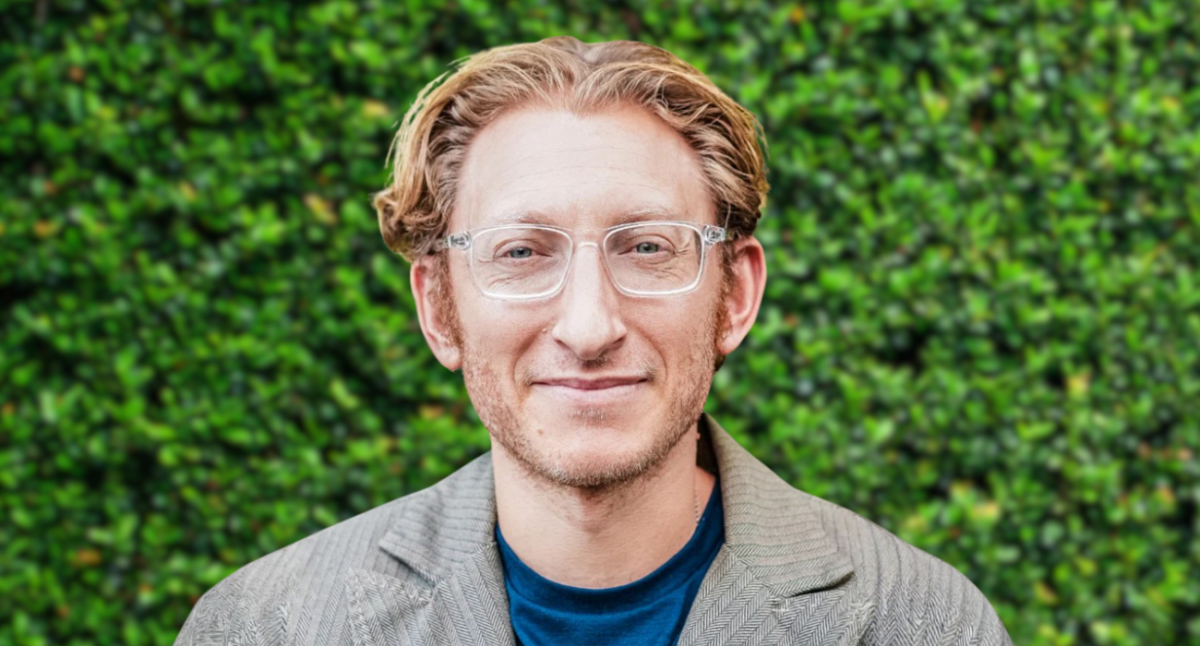
In a world obsessed with biohacking, supplements, and the next optimization trend, Dr. Scott Sherr offers a surprisingly simple diagnosis: most people are solving the wrong problem.
As a physician trained in both conventional and integrative medicine, Dr. Sherr has built his work around a bold premise: health isn’t something you fix when it breaks; it’s something you engineer daily at the cellular level.
And according to him, the majority of high performers are unknowingly running on empty.
The Real Problem: You’re Not Tired—You’re Underpowered
Modern professionals don’t lack ambition. They lack energy.
“You can’t outwork a system that’s biologically depleted,” Dr. Sherr explains.
At the core of his work is one principle: optimize the cell, and everything else follows.
Every organ, every function, every feeling of clarity or fatigue—it all traces back to cellular energy production. And when that system breaks down, the symptoms show up everywhere:
-
Brain fog
-
Chronic fatigue
-
Poor recovery
-
Mood instability
The problem? Most people try to fix these symptoms individually instead of addressing the root.
Why Hustle Culture Is Quietly Breaking Your Body
Sherr introduces what he calls the “sympathetic spiral of doom.”
It’s the state many ambitious individuals live in daily:
-
Always “on”
-
Constantly thinking
-
Unable to fully relax
This is the fight-or-flight system stuck in overdrive.
And here’s the dangerous part: it becomes your normal.
“You don’t realize you’re anxious anymore,” he says. “It just feels like your baseline.”
Over time, this chronic stress disrupts:
-
Sleep quality
-
Hormonal balance
-
Energy production
-
Emotional regulation
Leaving you functional—but far from optimal.
The Wellness Industry’s Biggest Lie
If there’s one thing Sherr is blunt about, it’s this:
“People are chasing hacks instead of mastering fundamentals.”
Before supplements. Before biohacking. Before advanced protocols.
There are six things that matter most:
-
Sleep
-
Hydration
-
Nutrition
-
Movement
-
Stress regulation
-
Relationships
They’re not flashy. They don’t sell well. But they work.
And skipping them? That’s where most people go wrong.
The 3-Layer Framework for Real Optimization
To cut through the noise, Sherr teaches a simple system:
1. Foundation
Build your baseline:
-
Sleep consistency
-
Whole-food nutrition
-
Movement
-
Stress awareness
2. Personalization
Understand your body:
-
Lab testing
-
Biomarkers
-
Metabolic health
3. Support
Then—and only then—add:
-
Supplements
-
Tools
-
Technologies
This flips the typical approach.
Tools don’t fix broken systems—they enhance working ones.
From Symptom-Fixing to First Principles Thinking
Instead of asking:
-
“How do I fix my anxiety?”
-
“How do I get more energy?”
Sherr encourages a deeper question:
“What’s the root system causing this?”
That shift leads to better solutions:
-
Anxiety → nervous system dysregulation
-
Fatigue → mitochondrial dysfunction
-
Brain fog → energy production issues
It’s not about stacking fixes. It’s about removing friction at the source.
The Role of Biohacking (Without the Hype)
Yes, Sherr uses advanced tools—but with restraint.
One example is methylene blue, a compound that supports mitochondrial function and brain energy.
But his stance is clear:
“It’s a bridge—not the solution.”
These tools can help people gain momentum—but they don’t replace the work.
Other supports he values:
-
Ketones for brain fuel
-
Sauna for recovery and regulation
-
Breathwork for nervous system reset
The Mental Loop Most People Don’t Question
Beyond the body, Sherr highlights another hidden drain: your thoughts.
The average person has ~70,000 thoughts per day—most repetitive, many negative.
And the problem isn’t the thoughts themselves.
It’s the belief in them.
“Not every thought deserves your trust.”
Creating space between you and your thoughts—through breathwork, meditation, or stillness—is what restores clarity.
Redefining an Unconventional Life
For Sherr, living unconventionally isn’t about rejecting structure.
It’s about choosing your life consciously.
Not:
-
societal expectations
-
inherited beliefs
-
default patterns
But:
-
awareness
-
alignment
-
intentional living
“It doesn’t mean life gets easier,” he says. “But it becomes yours.”
The Bottom Line
If there’s one takeaway from Dr. Scott Sherr’s work, it’s this:
You don’t need more strategies. You need a better foundation.
Because no amount of ambition can outperform a system that isn’t supported.
And no shortcut will replace the basics that actually work.