olivia

Category: Relationships

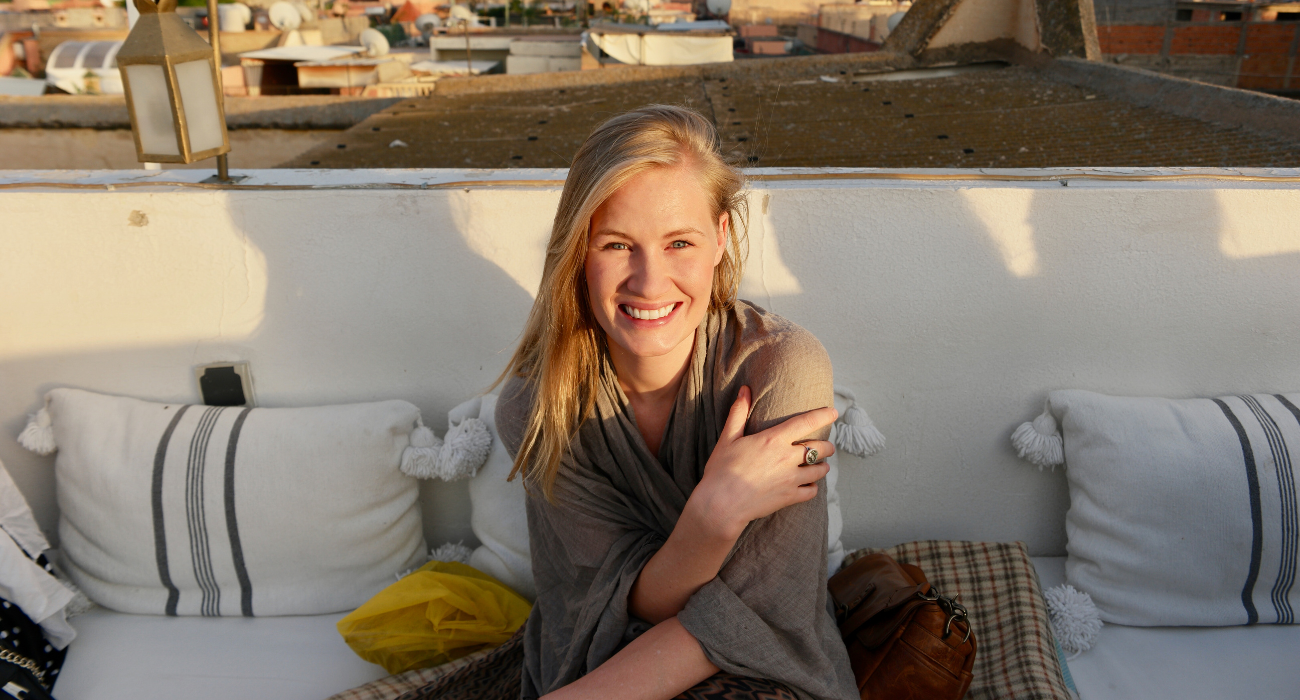
  • Ep482: Tara Cappel Was Told Millennials Didn’t Want Group Travel. She Built FTLO Anyway.

    Ep482: Tara Cappel Was Told Millennials Didn’t Want Group Travel. She Built FTLO Anyway.

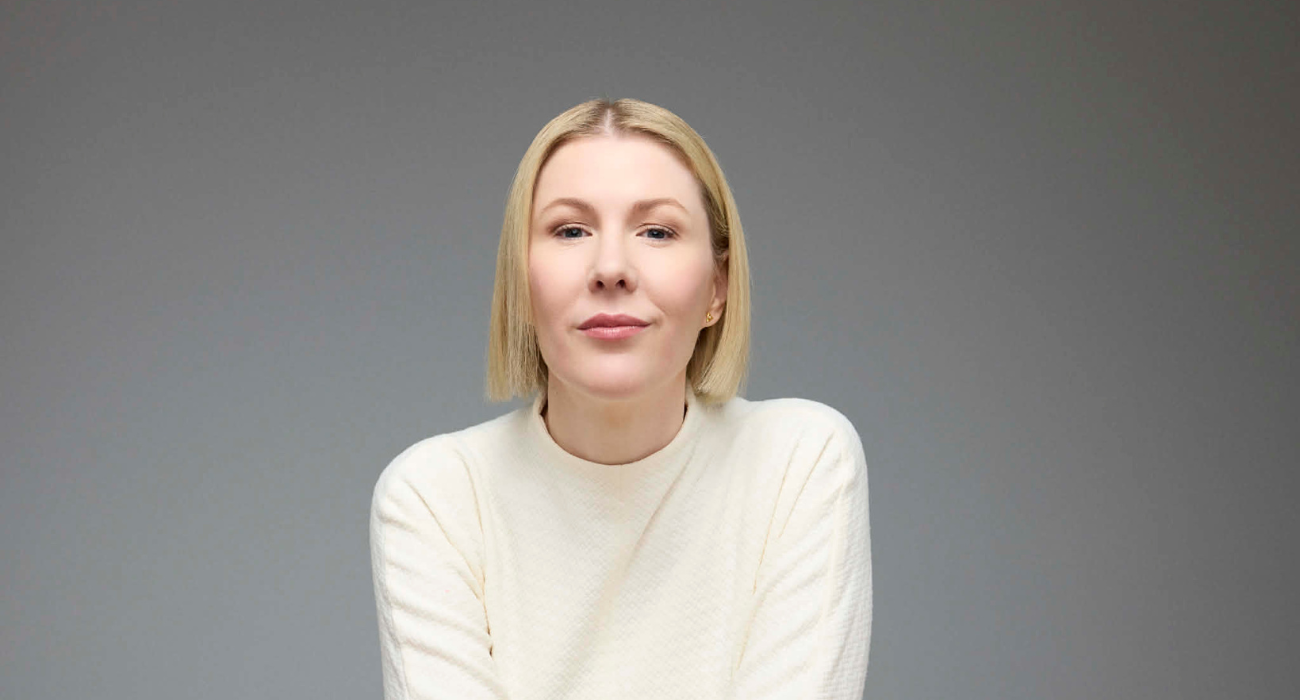
    For Tara Cappel, travel was never simply about getting somewhere else. Growing up in Sun Valley, Idaho, a beautiful but relatively isolated community, travel became her way of discovering different cultures, meeting people unlike herself, and imagining lives beyond the one she knew.

    That curiosity would eventually become the foundation for FTLO Travel, the modern group travel company Cappel founded in 2016 for solo travelers in their 20s and 30s. Today, FTLO brings together solo travelers through curated small-group experiences designed around connection, culture, and adventure. The company says it has welcomed more than 8,000 travelers and built more than 35 curated itineraries, with more than 4,000 five-star reviews.

    But Cappel’s entrepreneurial story didn’t begin with a business plan that everyone believed in.

    It began with an idea people told her wouldn’t work.

    The Idea Everyone Told Her Was Wrong

    Before FTLO existed, Cappel had spent time in fashion and later worked in operations for a startup focused on sustainable promotional products. That experience gave her something invaluable: a crash course in what it actually takes to build a company.

    But travel remained the through line.

    She had studied abroad in high school, taken a gap year, and continued looking for ways to experience the world. Eventually, she became fixated on a question: What if group travel were designed specifically for millennials?

    At the time, the conventional wisdom was that millennials weren’t interested in group travel.

    Cappel heard it directly from people in the travel industry.

    “Millennials don’t do group travel,” they told her.

    She wasn’t convinced.

    She was watching her generation reprioritize their lives. People in their 20s and 30s were traveling, delaying traditional milestones, pursuing experiences, and looking for connection in new ways. Cappel saw a gap between what the industry assumed young travelers wanted and what she believed they were actually looking for.

    And once the idea took hold, she couldn’t let it go.

    “I couldn’t not do it,” she says.

    That conviction became the first ingredient in FTLO.

    Building FTLO Between 8 P.M. and 2 A.M.

    Cappel didn’t immediately leave everything behind and become a full-time founder.

    She worked her regular job during the day and built FTLO at night.

    From roughly 8 p.m. until 2 a.m., she worked behind the scenes to turn the idea into something tangible. With little money to invest, she learned how to build the website, figure out SEO, handle design, and piece together the early business herself.

    It wasn’t glamorous.

    But she was energized by it.

    There was something about building the idea that made the long hours feel different.

    That distinction matters. Entrepreneurship is often romanticized as freedom, but Cappel’s early experience looked much more like relentless work. The difference was that the work was connected to something she deeply cared about.

    She wasn’t simply escaping a job.

    She was moving toward something.

    And she had already learned from her previous startup experience that businesses don’t come together by magic. Someone has to figure out the details.

    Don’t Just Sell the Trip. Solve the Reason Someone Won’t Take It.

    One of Cappel’s most useful entrepreneurial insights comes from a framework she encountered early in FTLO’s development: the Jobs to Be Done theory.

    The premise is simple but powerful.

    People aren’t necessarily buying the product itself. They’re using a product or service to fulfill a deeper need.

    For FTLO, the product might look like a group trip.

    But the real problem was much bigger.

    Someone might want to visit Sardinia but think:

    I don’t have anyone to go with.

    FTLO solves that.

    They might think:

    I don’t speak the language.

    FTLO provides local trip leaders.

    They might think:

    I don’t know where to go or what to do.

    FTLO handles the itinerary and logistics.

    In other words, Cappel wasn’t simply creating vacations.

    She was removing the obstacles between people and the experiences they wanted.

    That philosophy remains central to FTLO’s approach today. The company describes its experience as being at the intersection of travel and community, with itineraries intentionally designed not only around destinations but around bringing people together.

    For entrepreneurs, the lesson extends far beyond travel:

    The strongest businesses don’t just sell something people want. They make it easier for people to become who they already want to be.

    The First Version Didn’t Work—and That Was the Point

    FTLO’s success can make the early years easy to forget.

    They were messy.

    Cappel initially thought she’d be running international trips within six months of launching. Instead, it took about a year and a half to run the first international trip.

    She went back to the drawing board.

    She experimented with local trips.

    They didn’t make money.

    Some were sold at roughly half price and at a loss.

    Her early marketing efforts flopped, too.

    There was no single breakthrough moment that suddenly transformed FTLO into a sustainable company.

    Instead, there was testing.

    Then tweaking.

    Then more testing.

    And more tweaking.

    Eventually, Cappel found a model people were willing to pay for.

    That process became one of the most important lessons she carries from the experience: get your first customers as early as possible, use their feedback to improve the offer, and don’t spend heavily on marketing until you’ve established that people actually want what you’re selling.

    A compliment is not validation.

    A paying customer is.

    From a Bedroom Idea to a Global Travel Community

    That willingness to iterate eventually helped FTLO grow far beyond its first experiments.

    The company now creates curated group trips for solo travelers in their 20s and 30s, with destinations spanning Europe, the Americas, Africa, the Middle East, and beyond. Its current model emphasizes not only memorable destinations but the people travelers experience them with.

    The company’s own philosophy reflects that emphasis: travel is meant to connect people with places, perspectives, and one another.

    And for Cappel, that community component has always been part of the bigger picture.

    She wanted to eliminate the common reasons people postpone travel.

    No travel partner?

    Come with a group.

    Don’t know the destination?

    The itinerary is already curated.

    Don’t speak the language?

    There’s a local trip leader.

    Don’t know how to plan everything?

    That’s handled, too.

    The result is a travel experience built around a simple premise: you shouldn’t have to wait for someone else’s availability to experience the world.

    Travel Should Give Back to the Places We Visit

    Cappel’s approach to travel was also shaped by where she grew up.

    Sun Valley is a tourism-based economy, and because it is a relatively small community, the economic impact of tourism is particularly visible.

    That gave Cappel an early understanding of something that can be easy to overlook when traveling: the money visitors spend doesn’t exist in a vacuum.

    It affects real people and real communities.

    As a result, responsible tourism became part of FTLO’s philosophy.

    The company says it prioritizes local, family-owned businesses so that more of the money generated by its trips remains in the communities travelers visit. It also emphasizes respectful engagement with local cultures and a positive economic, social, and environmental impact.

    For Cappel, seeing the world isn’t about extracting experiences from it.

    It’s about entering a place with curiosity and respect—and leaving something positive behind.

    What Happens When the Founder Finally Steps Away?

    After a decade of building FTLO, Cappel found herself confronting a different entrepreneurial challenge: stepping away.

    She’s currently taking a month-long sabbatical, something made possible in part by FTLO’s company policy of offering employees a month-long sabbatical after five years.

    For someone who has spent years immersed in the day-to-day details of a growing company, leaving wasn’t easy.

    But something unexpected happened.

    After stepping away for about a week and a half, Cappel began to feel some of the early passion returning.

    Ideas started coming back.

    Perspective returned.

    The distance created room for creativity.

    It was a reminder that even founders who are deeply passionate about their businesses need time outside of them.

    For Cappel, that lesson carries a particularly fitting irony: the founder of a travel company needed to step away from work to rediscover what travel and new experiences can do for the mind.

    “Go travel,” she tells Schroeder in her own way.

    New experiences create connections that can lead to ideas you never would have generated sitting at your desk.

    The Founder Is Also a Science Nerd

    Behind the CEO and travel entrepreneur is another side of Cappel that emerges during the episode’s rapid-fire round.

    If people really knew her, she says, they’d know she’s somewhat nerdy about science.

    She can fall into a deep flow state learning about subjects like photons, biology, health, and how the human body works.

    It’s a small detail, but an important one.

    The woman who built a company around helping people explore the world is herself driven by curiosity.

    Travel, entrepreneurship, science—there’s a common thread.

    She wants to understand things she doesn’t already understand.

    If She Started Over Today, She’d Go Even More Niche

    Asked what she’d do if she were starting a travel company today, Cappel doesn’t say she’d try to recreate FTLO.

    She’d go narrower.

    FTLO originally focused on an age-based niche, but she sees tremendous opportunity in passion-based travel—experiences built around specific interests, creative pursuits, and communities.

    It’s a lesson that applies well beyond tourism.

    In a world where almost every market is crowded, being more specific can make a business more relevant.

    The question isn’t always:

    How can I reach more people?

    Sometimes it’s:

    Who is the exact person I want to serve, and what do they care deeply about?

    Cappel also offers a piece of advice that contrasts with her own early leap: aspiring founders don’t necessarily need to quit their jobs immediately.

    With today’s technology, entrepreneurs can test ideas, build audiences, and even begin generating revenue before making the full-time jump.

    In hindsight, she believes she may have left her day job too early.

    Travel Taught Her There Isn’t One Right Way to Live

    Perhaps the most fitting moment of the conversation comes when Schroeder asks Cappel what living an unconventional life means to her.

    Her answer goes back to travel.

    When you see enough of the world, you begin to understand just how many ways there are to live.

    Different cultures have different ideas about family, work, success, community, relationships, and what makes a good life.

    That realization can make the “right path” you were handed growing up look a lot less absolute.

    For Cappel, an unconventional life means stepping outside the expectations of your upbringing or community and asking a more personal question:

    What is actually true for me?

    Follow your passions.

    Follow what inspires you.

    Stay true to yourself.

    It’s a philosophy that explains both her life and the company she built.

    She didn’t simply create a travel business.

    She built a company around her belief that experiencing different places and people can expand the possibilities someone sees for their own life.

    And perhaps that’s the most unconventional thing about FTLO: it isn’t really selling a destination.

    It’s selling the possibility of discovering that your world can be bigger than you thought.

    Want to Pick Tara Cappel’s Brain?

    If you’re dreaming about starting a travel company, she’ll share the pitfalls she’s encountered, talk through business models, discuss how to find those first customers, and offer insights that could help another entrepreneur avoid some of the time and heartbreak she experienced along the way.

    And if you’re not building a travel company, there’s still something in it for you.

    Cappel is also happy to talk travel—particularly the off-the-radar destinations that may not show up at the top of a typical search.

    Connect with Tara:

  • Ep481: Meg Tuohey Wants Women to Come Home to Themselves—and Lead From There

    Ep481: Meg Tuohey Wants Women to Come Home to Themselves—and Lead From There

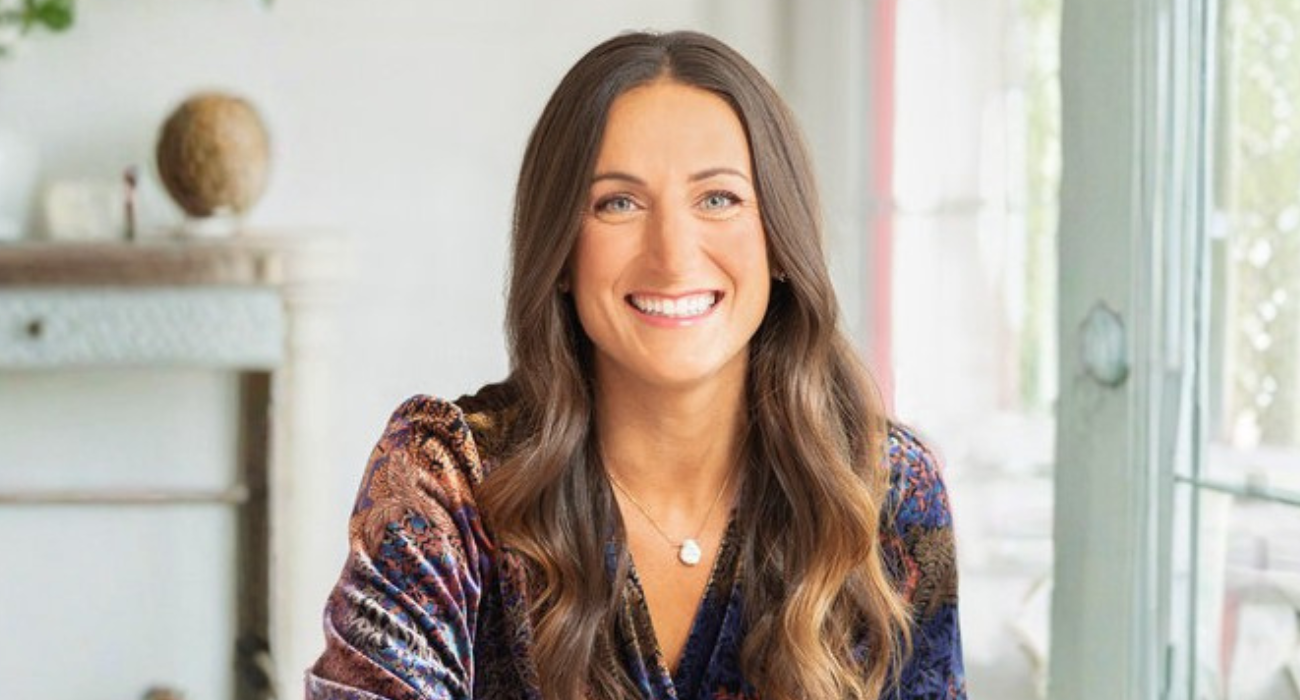
    For Meg Tuohey, the work of repairing relationships began long before she became a psychologist, relationship expert, author, and innovator. It began with a little girl sitting in the passenger seat of a car, looking through the window at a family gathered around a warm dinner table.

    The house was lit. The blinds were open. There were several people inside.

    Then the car turned the corner, and the moment disappeared.

    Tuohey was heading home to a cold, dark house with one parent and no siblings. She remembers the loneliness of that childhood and, more importantly, the feeling that someone might come to help—but nobody ever did.

    Years later, those seemingly ordinary childhood snapshots would become part of the inspiration behind her life’s work.

    As Tuohey explains in her conversation with Unconventional Life host Jules Schroeder, she eventually decided she wanted to become “the person who came”—the person who could hold space for families and create the warmth, safety, and connection she had once longed for herself.

    Today, Tuohey works at the intersection of relationships, neurodivergence, leadership, women, and what she calls wisdom and eldership. Her podcast, Wisdom Stripes, has surpassed 1.8 million downloads and ranked among the top 15 podcasts in Education in the U.S. She has worked with thousands of women and couples across the U.S. and Canada, and her debut book, Heartprint, extends her work to a much wider audience.

    But beneath all the professional accomplishments is a surprisingly simple philosophy: the way back to a better life often begins by returning to yourself.


    The Childhood Memory That Became a Calling

    When Schroeder asks Tuohey for the “fly-on-the-wall” moments that shaped her, Tuohey doesn’t begin with a credential or career milestone.

    She goes back to childhood.

    She remembers seeing that family through the window at dusk and wondering, in some way, what it might feel like to belong to something warm and connected.

    Her childhood wasn’t defined only by hardship. There were good experiences, too. But the loneliness left an imprint.

    She remembers wishing someone would come and see her, help her, or hold space for what she was experiencing.

    Nobody came.

    Eventually, that longing became a decision.

    Tuohey describes the memories from her hometown as threads that helped form the fabric of her work. Somewhere along the way, she decided she would become the person who could create that sense of warmth and gathering for the families she encountered.

    It is a striking example of how purpose can emerge from the most personal parts of a life.

    Rather than simply moving past her childhood, Tuohey found a way to transform what she had experienced into a deeper understanding of what people need from one another.

    Building a Different Kind of Marriage Repair

    That philosophy eventually became the foundation for a relationship-repair model that Tuohey says was unlike anything else she had seen when she created it.

    About nine years ago, she developed a group coaching program specifically for women experiencing serious relationship crises—often after they had already tried other avenues for help.

    Over time, another major area of focus emerged: neurodivergence.

    Today, Tuohey says that approximately 80% to 90% of the people who come through her work either identify as neurodivergent or love someone who is neurodivergent.

    Her work now rests on five interconnected pillars:

    • Relationships

    • Neurodivergence

    • Leadership

    • Women

    • Wisdom and eldership

    That final pillar reflects one of the more distinctive aspects of her philosophy: the idea of being the change you want to pass through your generations.

    For Tuohey, relationship work isn’t simply about solving today’s argument. It can also be about changing patterns that are passed from one generation to another.

    Why Tuohey Doesn’t Meet the Husbands

    One of the most unconventional aspects of Tuohey’s model is also one of the simplest: she doesn’t work directly with her clients’ partners.

    She designed it that way intentionally.

    Tuohey explains that she loves working in groups and believes there are powerful benefits to community. At the same time, she believes working with couples within a group setting would introduce unnecessary complexity and inefficiency.

    Instead, she works with what she calls Wise Women.

    The concept isn’t about suggesting women are responsible for every problem in their relationships. Tuohey acknowledges the frustration women may feel when they hear an approach that focuses on their own transformation: Why should I be the one who changes?

    Her answer is rooted in leadership.

    Tuohey believes women can be powerful cultural tone-setters within their homes and relationships. Her work therefore focuses on helping women understand themselves, develop skills, learn how to lead, and ultimately reconnect with who they really are.

    Her model combines psychoeducation, practical skills, self-learning, and leadership development.

    The objective isn’t to make women carry responsibility that isn’t theirs.

    It’s to help them distinguish what is theirs, what isn’t theirs, and how they want to lead from there.

    The Hidden Force Behind So Many Relationship Conflicts

    For Tuohey, one of the most important questions isn’t simply why couples fight.

    It’s why human beings defend themselves.

    She sees defensiveness as a central force behind many of the struggles people experience in relationships.

    Humans defend themselves against pain. They defend themselves against confusion. And, perhaps most importantly, they defend themselves against the possibility of experiencing even more pain or confusion.

    In a new relationship, repairing a conflict can be relatively straightforward because trust and goodwill may still be strong.

    But long-term relationships can become more complicated.

    Small hurts that aren’t repaired accumulate.

    Over time, those moments can turn into beliefs:

    It’s always me.

    It’s all up to me.

    He doesn’t understand.

    I wish…

    The problem eventually becomes larger than the original disagreement. It becomes the accumulated pain of feeling unseen, unheard, or misunderstood.

    And when people are already dealing with trauma, addiction, neurodivergence, or other significant life challenges, the level of defensiveness can become even greater.

    You Can’t Lead While You’re Defending

    This is where Tuohey’s relationship philosophy becomes a leadership philosophy.

    She argues that defensiveness can prevent people from seeing what’s actually happening. It can interfere with healing, appropriate responsibility, and the ability to distinguish between what belongs to you and what doesn’t.

    Most importantly, she believes you can’t lead while you’re defending.

    The defensive part of us needs to be heard, understood, and cared for before the person underneath it can emerge and begin leading again.

    That distinction is critical.

    Tuohey isn’t telling women to suppress their anger, ignore their pain, or simply become more accommodating.

    She’s asking a different question:

    What happens when you understand the part of yourself that is protecting you well enough that you no longer have to let that protection run your life?

    For Tuohey, that is where real leadership begins.

    Heartprint: A Guide Back to Inner Wisdom

    After years of working with women and couples, Tuohey wanted to find a way to bring her work to people beyond the relatively small number of women she can personally support.

    That became Heartprint, her debut book.

    The book took five years to construct. Tuohey describes it as a three-part story and a practical guide designed to take complicated ideas and make them simple.

    At the heart of Heartprint is the idea that people can develop distance from their own inner wisdom.

    Pain and confusion can create defensiveness. Defensiveness can help a person survive and protect themselves—but it can also create distance from who they are.

    The book is designed as a step-by-step journey back.

    Each chapter includes an activity intended to help readers reconnect with themselves. And for anyone who struggles to hear their own inner wisdom, Tuohey offers a bridge: Elizabeth, the Wise Woman character in the book.

    Readers can “borrow” Elizabeth’s wisdom until they are able to hear their own.

    The goal isn’t to run away from pain.

    It’s to integrate it rather than remain disconnected from yourself because of it.

    Tuohey sees that process as part of the universal human experience: moving through pain and finding a way back home to yourself.

    From a Deeply Personal Practice to a Global Mission

    Tuohey’s work is deeply intimate, but her ambition isn’t small.

    She acknowledges that her direct work is intentionally deep and therefore cannot hold a massive number of people at the same level of care.

    Her heart, however, is for women and families.

    That is why she sees Heartprint and Wisdom Stripes as extensions of the same mission: creating accessible ways for more people to begin the process of reconnecting with themselves.

    Her hope for Heartprint is not simply that people read it.

    She wants the book to awaken a desire in people to return to who they really are and begin living a life that feels good to them.

    It is a deceptively simple goal—and one that sits at the center of everything she does.

    What It Means to Live an Unconventional Life

    When Schroeder asks Tuohey what living an unconventional life means to her, the answer brings the entire conversation full circle.

    For Tuohey, unconventional living isn’t necessarily about rejecting every conventional path.

    It’s about full expression.

    It’s about being yourself.

    And, ultimately, she believes one of the greatest gifts a person can give themselves, their loved ones, and the world is to return home to who they really are and live a life that feels good to them.

    That philosophy makes the title Heartprint particularly fitting.

    A person’s life leaves an imprint. But before that imprint can be intentionally passed forward, Tuohey believes people need to know who they are.

    The work begins within.

    The Quiet Rituals Behind the Work

    For all the intensity of her professional work, Tuohey’s personal rituals are remarkably grounding.

    If you really knew her, she says, you’d know she enjoys cozy reading, a good cup of tea, and a crackling fire.

    She also meditates every day—a practice she’s maintained since October 2019. She meditates every night and most mornings, often lying down in the dark.

    That practice of returning inward mirrors the philosophy she teaches outwardly.

    Before leadership, there is awareness.

    Before repair, there is understanding.

    Before reconnecting with someone else, there may be a need to reconnect with yourself.

    The Message She Would Give Her Younger Self

    Near the end of the conversation, Schroeder asks Tuohey what she would say to the lonely little girl she once was.

    Her answer brings the entire journey back to that car ride at dusk.

    She would tell her:

    “I’m coming.”

    She would tell her she’s on her way—and that she’s bringing an army of kindness, care, compassion, and love.

    And she would promise that little girl she would never be alone again.

    It is difficult to imagine a more complete expression of Tuohey’s life’s work.

    The little girl who once wished someone would come eventually became the woman who chose to become that person—not only for herself, but for the women and families she serves.

    And perhaps that’s the most unconventional part of her story.

    She didn’t simply build a career around relationships.

    She built a life around answering a question that began in childhood:

    What if we could become the person we once needed?


    Giveaway: Win a Signed Copy of Heartprint

    Meg Tuohey is giving one lucky Unconventional Life listener a signed copy of her book, Heartprint.

    The book can be shipped from America to the winner wherever they are located.

    Connect with Meg:

  • Ep479: How Krista St-Germain Transformed Unimaginable Loss Into a Movement of Hope

    Ep479: How Krista St-Germain Transformed Unimaginable Loss Into a Movement of Hope


    There are moments in life that divide everything into a before and an after.

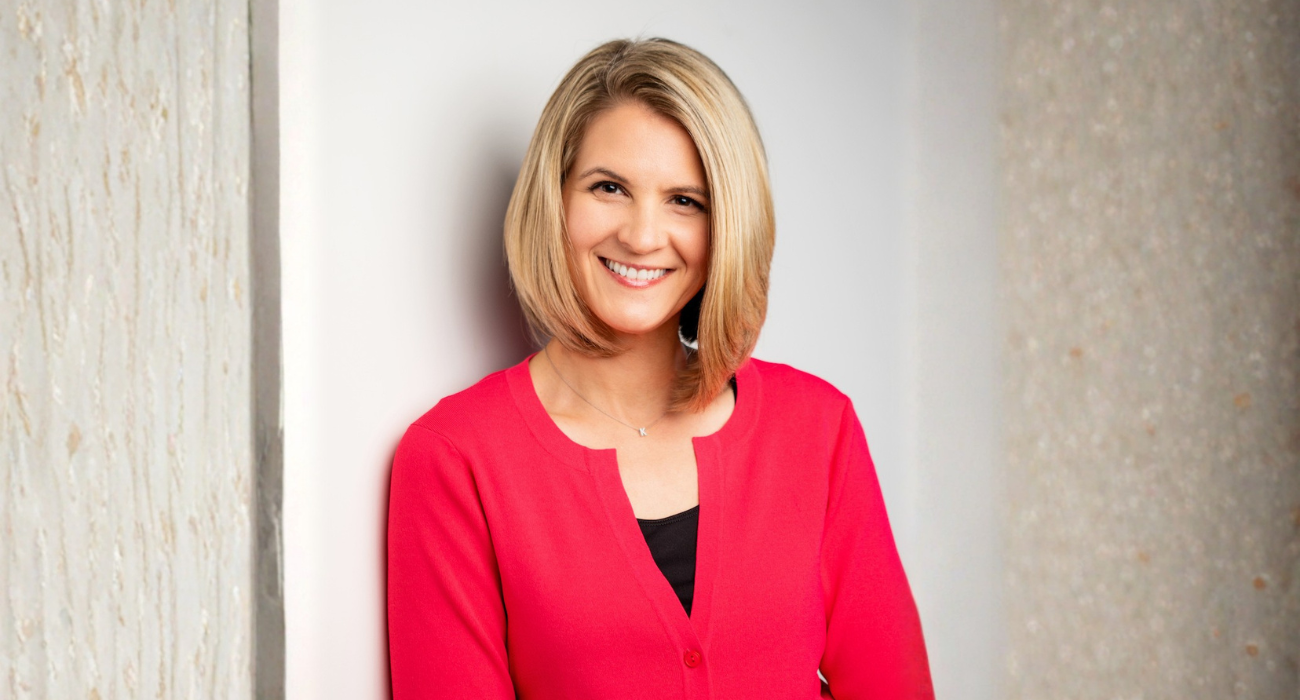
    For Krista St-Germain, that moment came in 2016 when her husband, Hugo, was suddenly killed by a drunk driver. One phone call shattered the future she had envisioned—a thriving career, a loving marriage, and a life she finally felt at peace living.

    “I never thought I’d become a widow.”

    Yet what began as the darkest chapter of her life eventually became the foundation of an entirely new purpose.

    Today, Krista is a Master Certified Life Coach, post-traumatic growth expert, and host of the Widowed Mom Podcast, where she has helped thousands of women navigate one of life’s greatest challenges: learning how to live again after profound loss.

    When Your Entire Identity Changes Overnight

    Before tragedy entered her life, Krista believed she had finally found her happily ever after.

    Following a difficult first marriage, she remarried, built a successful career as a Project Engineering Supervisor in the aviation industry, and embraced a future filled with possibility.

    Then, without warning, everything changed.

    The sudden loss of her husband wasn’t just the loss of a person—it was the loss of the life they had imagined together.

    Like many people facing devastating grief, Krista found herself asking questions no one can truly prepare for.

    Who am I now?

    What does my future even look like?

    How do I keep living when the life I wanted no longer exists?

    Those questions would eventually lead her far beyond the engineering career she’d spent years building.

    The Biggest Myth About Grief

    One of the most powerful moments in the conversation comes when Krista challenges one of the most widely accepted ideas about grief: that it follows a predictable timeline.

    Many people still believe healing means progressing through the “five stages” until they eventually arrive at acceptance.

    Krista sees it differently.

    Grief, she explains, isn’t something we complete. It’s a natural response to losing someone—or something—we deeply love.

    The goal isn’t to stop grieving.

    The goal is learning how to carry grief while continuing to build a meaningful life.

    Instead of asking, “When will this be over?” Krista encourages people to ask a different question:

    Who do I want to become because of what I’ve experienced?

    That subtle shift transforms grief from something to escape into something that can coexist alongside hope, purpose, and joy.

    Post-Traumatic Growth Is Not Toxic Positivity

    For many people, the idea of finding growth after trauma feels almost offensive.

    Krista understands why.

    She makes an important distinction throughout the interview: post-traumatic growth isn’t about being grateful tragedy happened.

    It isn’t pretending loss was somehow “meant to be.”

    Nor is it forcing optimism before someone is ready.

    Instead, it’s recognizing that while we don’t choose our hardest experiences, we do get to choose how those experiences shape us moving forward.

    For Krista, healing wasn’t about returning to who she was before her husband died.

    It meant becoming someone entirely new.

    Someone with greater compassion.

    Greater resilience.

    Greater purpose.

    Someone capable of helping others navigate the unimaginable because she had walked through it herself.

    From Aviation Engineer to Grief Coach

    When Krista eventually returned to work after her husband’s death, something felt different.

    The career she’d spent years building no longer fulfilled her the way it once had.

    Loss has a way of reshuffling priorities.

    Success began to look different.

    Purpose began to matter more.

    As she immersed herself in studying grief, coaching, and post-traumatic growth, she discovered an entirely new calling.

    Today, through coaching programs, speaking engagements, and her podcast, Krista supports widowed mothers around the world as they rebuild lives they never expected to have.

    It’s a career she never planned—but one deeply aligned with the woman she became through her own healing.

    Trading Certainty for Self-Trust

    One of the interview’s most profound insights comes when Krista reflects on her relationship with certainty.

    Before losing her husband, she unknowingly believed certainty created safety.

    If life followed the plan…

    If tomorrow looked like today…

    If everything stayed predictable…

    Then she was safe.

    His death shattered that illusion forever.

    Now, Krista believes something entirely different.

    Uncertainty is inevitable.

    Safety isn’t created by controlling life.

    It’s created by learning to trust ourselves, even when life refuses to make sense.

    That shift has changed not only how she approaches grief but how she approaches every decision she makes.

    Rather than trying to eliminate uncertainty, she has learned to become someone who can meet uncertainty with confidence.

    Healing Begins When We Stop Trying to Prove We’re Okay

    Looking back, Krista admits that much of her early motivation came from wanting to prove she would survive.

    To prove she was strong.

    To prove she’d rebuild.

    To prove she’d eventually be okay.

    Over time, that pressure disappeared.

    Instead of performing resilience, she allowed herself to simply live.

    Today, her life is guided less by external validation and more by internal freedom—a freedom rooted in authenticity, emotional awareness, and presence rather than perfection.

    Defining an Unconventional Life

    When Jules asks what living an unconventional life means to her, Krista’s answer is beautifully simple.

    Freedom.

    Freedom to choose how she spends her days.

    Freedom to create meaningful work.

    Freedom to earn a living aligned with her purpose.

    Freedom to define success on her own terms instead of society’s expectations.

    It’s a reminder that sometimes the most unconventional lives aren’t built through grand adventures—they’re built through the courageous decision to keep moving forward after life changes everything.

    Final Thoughts

    Krista’s story isn’t one of moving beyond grief.

    It’s about moving forward with it.

    She reminds us that healing doesn’t require forgetting, fixing, or forcing happiness.

    Instead, it invites us to honor what we’ve lost while remaining open to who we’re still becoming.

    Because while tragedy may rewrite our story, it never has to write the ending.

    Giveaway

    Krista is offering listeners her “Memories That Matter” Journal, a beautifully designed resource featuring 100 thoughtful prompts to help preserve treasured memories of loved ones. Whether you’re navigating grief yourself or supporting someone who is, this journal offers a meaningful way to keep precious stories alive for generations to come.

    Connect with Krista

  • Ep478: Why Being Yourself Is Your Greatest Competitive Advantage with Renata Castro

    Ep478: Why Being Yourself Is Your Greatest Competitive Advantage with Renata Castro


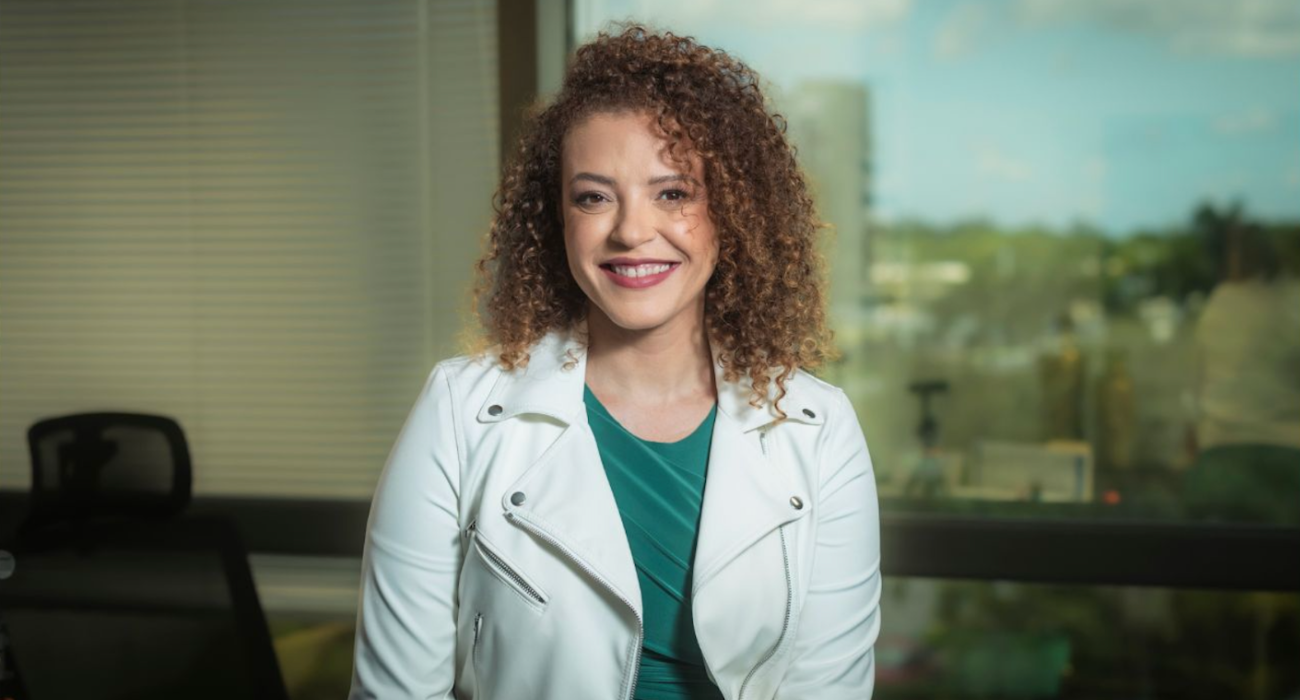
    Renata Castro didn’t build her career by fitting into the legal profession’s expectations—she built it by rejecting them. The Brazilian-born immigration attorney, entrepreneur, television host, and founder of USA4ALL has spent years helping immigrants navigate one of the most complex legal systems in the world. 

    But beneath the courtroom victories and the growing law firm is a woman whose greatest strength has never been the law itself. It’s her ability to see people first.

    The Lawyer Who Refused to Look Like Everyone Else

    Long before she became the founder of an 85-person immigration law firm, Renata Castro was a law student being told she needed to change.

    At a pre-law orientation, she was advised to straighten her naturally curly hair, tone down her colorful wardrobe, and embrace the polished image expected of attorneys.

    She declined.

    Rather than reshaping herself to fit the profession, she decided she would eventually create a workplace where authenticity wasn’t a liability—it was the culture.

    That decision became USA4ALL.

    “I don’t want to look like anybody else,” she explains. “I want to look like myself—the best version of myself.”

    It’s a philosophy that has guided every stage of her career.

    Success Begins When Your Tribe Can Finally Find You

    For Renata, authenticity isn’t a branding strategy. It’s a business strategy.

    She believes people spend far too much energy trying to imitate success instead of discovering their own version of it.

    When entrepreneurs suppress their personality in hopes of appearing more professional, they often become forgettable.

    Instead, she argues, something remarkable happens when people begin valuing who they already are.

    Their tribe finds them.

    Rather than competing by blending in, Castro built a practice around the qualities many professionals are taught to hide: warmth, emotion, humor, vulnerability, and humanity.

    Ironically, those became the very qualities that distinguished her.

    Why Great Lawyers Read People—Not Just Laws

    Most attorneys spend years mastering statutes and legal procedures.

    Castro believes that’s only half the job.

    “The best lawyers,” she says, “are the best readers of people.”

    Every consultation requires understanding emotions before legal strategy.

    Can you recognize fear?

    Can you anticipate hesitation?

    Can you read the unspoken questions sitting behind a client’s silence?

    To her, practicing law has always been about understanding human behavior just as much as understanding legal precedent.

    That mindset has shaped how she serves families facing some of the most uncertain moments of their lives.

    The Unconventional Practice That Transformed Her Business

    One of the episode’s most unforgettable moments comes when Renata reveals an unexpected ritual she introduced into client consultations.

    At the end of every meeting, she would simply ask:

    “Would you mind if I gave you a hug?”

    The gesture wasn’t about sales.

    It was about reminding clients they weren’t just another case file.

    Many immigrants arrived carrying fear, uncertainty, and trauma. Sometimes they simply needed someone who genuinely cared.

    Eventually, she began noticing something unexpected.

    Clients trusted her more.

    Referrals increased.

    Conversions climbed dramatically.

    Laughing, she says she realized she had become “in the business of selling hugs.”

    Behind the humor is a powerful lesson.

    People rarely remember every detail of what you tell them.

    They always remember how you made them feel.

    Crying in an Empty Office—and Learning to Trust Herself

    Building USA4ALL wasn’t glamorous.

    In the early days, Renata remembers sitting alone in her office wondering where clients would come from.

    She questioned whether she was good enough.

    She battled imposter syndrome.

    At one point, she even convinced herself clients only hired her because they liked her.

    A consultant reframed everything.

    Of course people hired her because they liked her.

    Trust has always been the foundation of every professional relationship.

    That realization gave her permission to stop apologizing for bringing humanity into the legal profession.

    The law became her expertise.

    Human connection became her advantage.

    “I’m Unemployable”—And Why That Became Her Greatest Strength

    When Jules Schroeder asks about the philosophy behind founding USA4ALL, Castro surprises everyone with a laugh.

    “I’m unemployable.”

    It’s one of the funniest moments in the interview—but also one of the most revealing.

    She never found a law firm that encouraged the level of creativity, calculated risk-taking, and personal ownership she wanted.

    Rather than waiting for permission, she built the environment she couldn’t find.

    USA4ALL wasn’t created because entrepreneurship sounded exciting.

    It was created because authenticity required it.

    Leading Through Uncertainty Without Losing Hope

    Few industries change as rapidly as immigration law.

    Policies shift.

    Court rulings evolve.

    New announcements can instantly reshape the legal landscape.

    She describes finishing meetings only to discover dozens of urgent messages waiting from her legal team about new developments.

    Yet she refuses to allow uncertainty to become despair.

    Instead, she reminds both her clients and her staff that every difficult season eventually changes.

    Growth doesn’t happen by avoiding hardship.

    It happens by walking through it.

    Behind closed doors, she admits there are moments she cries from the weight of the work.

    Then she gathers herself and returns to lead.

    Because leadership isn’t pretending everything is easy.

    It’s helping people believe there is still a path forward.

    Meeting Every Survivor With Compassion Instead of Assumptions

    One of the conversation’s most meaningful moments centers on Renata’s work representing survivors of domestic violence, trafficking, and workplace exploitation.

    She challenges many common misconceptions.

    Some of her domestic violence clients are women.

    Many are men.

    Some don’t even realize they are living in abusive relationships.

    Others have never been asked the question.

    Rather than making assumptions, her team focuses on understanding each person’s lived experience.

    Her advice extends well beyond immigration law.

    Listen more.

    Judge less.

    Encourage people to seek qualified professional help instead of relying solely on internet opinions or social media commentary.

    Compassion, she believes, begins by meeting people exactly where they are.

    Building a Business Around Your Life—Not the Other Way Around

    Renata Castro’s entrepreneurial philosophy is refreshingly practical.

    People often ask what business will make the most money.

    She thinks they’re asking the wrong question.

    Instead, she encourages aspiring entrepreneurs to first imagine their ideal life.

    What time do you wake up?

    Do you want weekends free?

    How involved do you want to be in daily operations?

    Only then should you choose the business.

    She recalls advising one client against opening a pet shop because the lifestyle didn’t match the life she wanted.

    The client opened it anyway.

    Eventually, she disliked the long hours and constant demands.

    The business wasn’t wrong.

    It simply belonged to someone else.

    Success isn’t about chasing the most profitable opportunity.

    It’s about building a business whose lifestyle you’re willing to live.

    Positive Self-Talk Before Every Big Challenge

    Even after years of courtroom victories, she admits fear never fully disappears.

    Before major trials, she stands in front of the mirror repeating affirmations to herself.

    “I’m ready.”

    “I’m a beast.”

    “I can do this.”

    The confidence doesn’t always come naturally.

    Sometimes it follows the words.

    It’s a simple practice, but one she credits with helping her walk into difficult situations with greater calm and clarity.

    The Truly Unconventional Life

    When asked what living an unconventional life means, Renata doesn’t mention awards, wealth, or recognition.

    Instead, she talks about courage.

    Being bold enough to bet on yourself.

    Being disciplined enough to stay the course.

    Being unapologetic about who you are.

    And if no one opens the door for you?

    Knock down the wall.

    Because in the end, she says, the truly unconventional life isn’t measured by titles or accomplishments.

    It’s measured by happiness.

    Giveaway

    This week’s Unconventional Life giveaway includes two incredible opportunities:

    • A signed copy of 99 Questions to Ask Before Starting a Business in the USA, co-authored by Renata Castro and James Chittenden, along with exclusive USA4ALL swag.

    • Access to Renata’s interpreter training opportunity for bilingual English speakers living in the United States who want to become immigration interview interpreters—offering the chance to build a flexible, independent career while helping immigrant communities.

    Visit the Giveaway tab at UnconventionalLifeShow.com to enter before the giveaway closes.

    Connect with Renata

  • Ep477: Beyond Betrayal: How Psychotherapist Lauren LaRusso is Changing the Conversation around Infidelity

    Ep477: Beyond Betrayal: How Psychotherapist Lauren LaRusso is Changing the Conversation around Infidelity

    Most people enter marriage believing love will be enough.

    They imagine growing old with one partner, building a family, creating traditions, and living out the promises exchanged on their wedding day. Infidelity is rarely part of that picture. Yet for millions of people, it becomes an unexpected chapter that reshapes everything they thought they knew about love, trust, and themselves.

    For Lauren LaRusso, that painful reality became both deeply personal and profoundly purposeful.

    A licensed psychotherapist specializing in extramarital affairs and the author of Beyond Infidelity: How to Turn the End of Your Relationship Into the Beginning of Your Life, Lauren has become one of the leading voices helping individuals and couples navigate one of life’s most devastating experiences. Through her private practice, bestselling book, and social media community of more than 156,000 followers, she’s working to dismantle the shame surrounding infidelity and replace it with understanding, healing, and hope.

    On this episode of Unconventional Life with Jules Schroeder, Lauren shares the deeply personal journey that transformed her from therapist to survivor—and ultimately into an advocate changing the narrative around betrayal.

    The Story No One Talks About

    “Infidelity belongs in the light.”

    That’s the mission driving Lauren’s work.

    Growing up, she was surrounded by what appeared to be stable marriages. Like many people, she internalized the belief that faithful relationships were simply how life worked. If affairs happened, they weren’t discussed—and if they were, they were often viewed as evidence of personal failure or moral deficiency.

    “We grow up with this idea of what relationships are supposed to look like,” Lauren explains. “Then reality collides with those expectations.”

    The silence surrounding infidelity creates an invisible burden. Because few people openly share their experiences, those living through betrayal often believe they’re alone.

    Lauren wants to change that.

    She believes infidelity is far more common than society is willing to admit. It transcends age, religion, socioeconomic status, culture, and background. Yet despite its prevalence, conversations about it remain hidden beneath layers of shame, judgment, and secrecy.

    By bringing those conversations into the open, she’s giving countless people permission to stop suffering in silence.

    When the Therapist Became the Patient

    Lauren never intended to specialize in infidelity.

    In 2011, she became a licensed therapist and married the man she believed she’d spend the rest of her life with. Like most newlyweds, she envisioned a future built on trust, partnership, and family.

    Seven years later, shortly after welcoming their daughter, everything changed.

    Lauren discovered her husband had been engaged in an ongoing affair.

    “It blew everything up,” she shares.

    The betrayal didn’t simply end a relationship—it dismantled the life she thought she knew. Her identity, future, security, and assumptions about love all came crashing down overnight.

    Ironically, despite years of helping clients process difficult emotions, Lauren found herself completely unprepared for the emotional tsunami of betrayal trauma.

    “I was a therapist, and I didn’t even know what I was experiencing.”

    She faced overwhelming grief, anger, confusion, trauma, and emotional dysregulation. The experience gave her an entirely new perspective—not as the clinician sitting across the room, but as someone desperately searching for answers herself.

    The Hidden Trauma of Betrayal

    One of Lauren’s greatest revelations was recognizing that infidelity is far more than broken trust.

    It’s trauma.

    When betrayal occurs, people don’t simply question their partner.

    They question themselves.

    Was I not enough?

    How didn’t I see it?

    Can I ever trust anyone again?

    Can I even trust myself?

    Lauren explains that betrayal fractures a person’s sense of reality. The story they believed about their life suddenly no longer makes sense, leaving them emotionally untethered.

    While friends and family often rush to offer advice—”leave” or “forgive”—Lauren believes healing requires something much deeper.

    People need space to understand what has happened before deciding what comes next.

    Challenging the Myths We’ve Been Taught

    One of Lauren’s greatest frustrations is how black-and-white society views infidelity.

    We’re conditioned to believe there are only two roles:

    The victim.

    And the villain.

    But human relationships, she argues, are far more complicated.

    Understanding why an affair happened doesn’t excuse the betrayal. Instead, it creates the possibility for genuine understanding, accountability, and informed decisions.

    Some relationships end.

    Others rebuild.

    Neither path is universally right or wrong.

    Lauren’s work isn’t about convincing people to stay together—or encouraging them to leave. It’s about helping individuals reconnect with themselves first, so every decision comes from clarity rather than emotional survival.

    Healing Begins Long Before the Relationship Does

    Throughout the conversation, Lauren returns to one central philosophy:

    Healing isn’t about fixing the relationship first.

    It’s about rebuilding yourself.

    Whether someone ultimately reconciles with their partner or chooses to move on, lasting healing requires restoring:

    • Self-trust

    • Emotional safety

    • Confidence

    • Identity

    • Personal agency

    When those foundations return, people are able to make decisions that align with who they are—not simply react to what happened.

    For Lauren, betrayal doesn’t have to become someone’s permanent identity.

    It can become the beginning of a more authentic life.

    Turning Pain Into Purpose

    After navigating her own experience, Lauren recognized a startling gap in mental health resources.

    Despite how common infidelity is, there were remarkably few comprehensive tools available to help people process its emotional aftermath.

    That realization inspired her life’s work.

    Today, Lauren works with clients around the world, helping them navigate betrayal with compassion instead of shame. Her social media platforms have become safe spaces for conversations many never thought they could have publicly.

    Her book, Beyond Infidelity, serves as both a guide and a reminder that healing is possible—even after life’s deepest heartbreaks.

    Rather than allowing betrayal to define someone’s story, Lauren invites readers to see it as the beginning of an entirely new chapter.

    One rooted in self-awareness, resilience, and personal transformation.

    Redefining What It Means to Heal

    Perhaps Lauren’s greatest lesson is that healing isn’t about pretending betrayal never happened.

    It’s about refusing to let it dictate the rest of your life.

    When shame is replaced with compassion, clarity begins to emerge.

    When silence is replaced with conversation, isolation fades.

    And when people learn to trust themselves again, they often discover a stronger version of themselves than they ever knew existed.

    As Lauren reminds us, even life’s most painful endings can become the doorway to unexpected beginnings.

    Giveaway

    This week’s giveaway is Lauren LaRusso’s groundbreaking book, Beyond Infidelity: How to Turn the End of Your Relationship Into the Beginning of Your Life. Whether you’re personally navigating betrayal, supporting someone who is, or simply seeking a deeper understanding of relationships, this powerful resource offers compassionate guidance, practical tools, and a hopeful roadmap toward healing and renewal.

    Enter this week’s giveaway for your chance to win a copy and begin your own journey toward healing.


    Connect with Lauren: