Unconventional Life – Podcast, Blog, Live Events

Category: Business

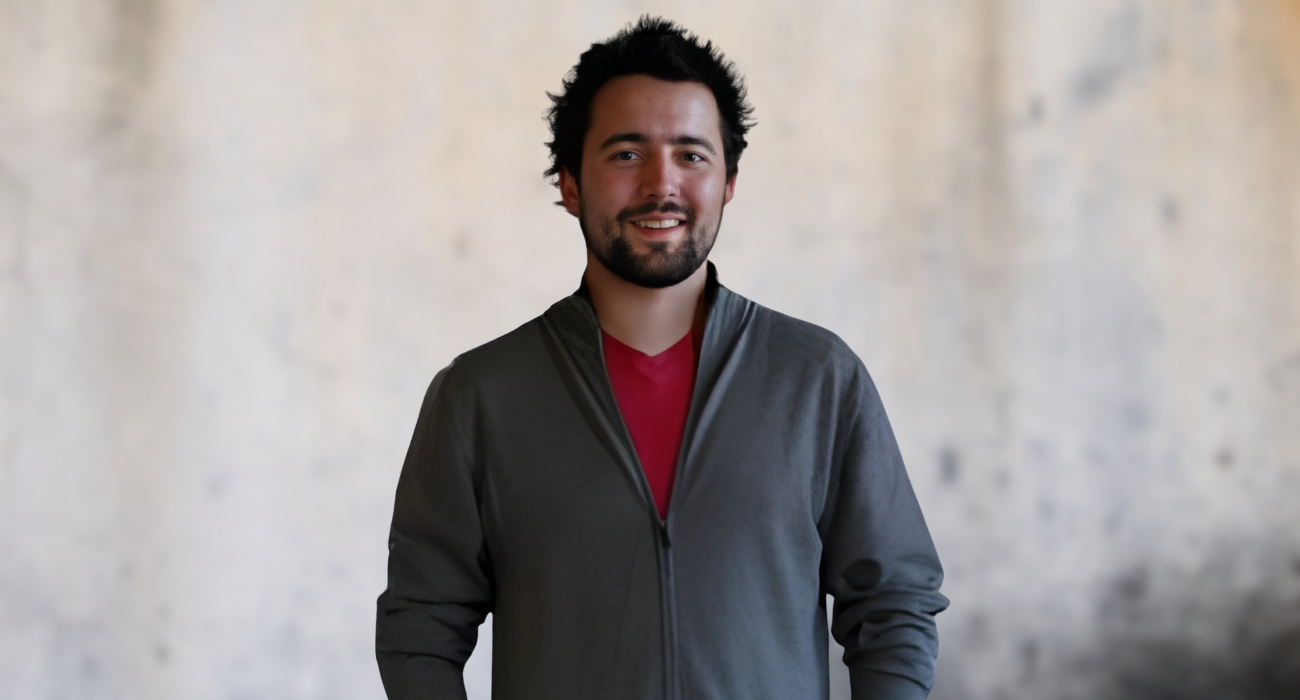
  • Ep460: How Brent Kesler Paid Off $984,711 in Debt in 39 Months—By Getting Uncomfortable With “Normal” Money Rules

    Ep460: How Brent Kesler Paid Off $984,711 in Debt in 39 Months—By Getting Uncomfortable With “Normal” Money Rules

    In personal finance, comfort is usually treated like the finish line. Stable income. Predictable expenses. A plan that doesn’t rock the boat.

    Brent Kesler believes that’s exactly the problem.

    “In your financial life, if you feel comfortable,” he tells Jules Schroeder, “you’re probably not at a good place. You need to get a little uncomfortable… to know you’re really making progress.”

    It’s a bold take—until you hear the numbers behind it.

    Kesler, founder of The Money Multiplier and creator of the TMM Method, says he paid off $984,711 in third-party debt in 39 months and has since helped 17,000+ clients across all 50 U.S. states reclaim financial control using the same strategy.

    Episode 419_ Maya Elious

    And his story didn’t start in finance.

    It started in chiropractic clinics… and a debt total he couldn’t unsee.


    From Five Clinics to One Big Wake-Up Call

    Before he was teaching wealth education full-time, Brent was a chiropractor running five clinics in the Kansas City area. He was “good at making money,” he says, but not good at keeping it—something he believes describes most people.

    In 2006, he attended a chiropractic conference and heard a talk about “becoming your own banker”—a concept rooted in wealth strategies used for generations by legacy families. It sounded too good to be true.

    He bought the book Becoming Your Own Banker by R. Nelson Nash… and did nothing with it.

    That decision cost him two years.


    The Difference Between Knowing and Doing

    At another conference years later, Kesler ran into colleagues who had implemented the strategy. Their results weren’t theoretical. They were practical, visible, and repeatable: debt shrinking, money recycling, cash flow improving without “working harder.”

    He came home and told his wife they had to implement the concept.

    Then came the part most people avoid: the honest inventory.

    In February 2008, Kesler says he was $984,711 in debt—a number he knew down to the last dollar because identifying it was part of the process.

    “It’s a very painful exercise,” he admits, “when you start adding up student loans, credit cards, houses, cars… whatever it is.”

    But pain did something powerful.

    It turned information into action.


    The 3-Part Foundation: Mindset, Systems, Mentors

    Before Brent teaches tactics, he goes straight to the real blocker: mindset.

    He frames transformation as a three-part requirement:

    • Mindset: deciding you’re done outsourcing your financial future

    • Systems: using a proven process instead of willpower and guesswork

    • Mentors: learning from people who already have what you want

    He’s blunt about the biggest mindset trap: taking advice from people who don’t have the results you’re chasing—especially family.

    It’s not that they’re malicious, he explains. It’s that they’re operating from their own limitations and fear.

    If you want a different outcome, you need a different reference point.


    “It Doesn’t Matter If You Make $10 or $10,000 an Hour”

    A standout moment in the conversation is Kesler’s insistence that wealth isn’t about income—it’s about how money moves.

    He argues that financial tools are available to everyone, but the wealthy use them differently.

    Same tools. Different strategy. Different outcome.

    That’s where his “one-step” concept comes in


    The Money Leak Everyone Accepts as Normal

    Kesler breaks it down with a simple example:

    You buy a $20,000 car.
    You hand over the money.
    You drive away with the car.

    Great transaction… except the money is gone.

    It left your family. Permanently.

    Kesler’s promise is the opposite: buy the car and recapture the money by adding one strategic step before the purchase—so you can recycle those dollars again and again.

    He knows it sounds insane.

    Which is why he says most people tune out right when he names the vehicle.


    The Tool He Uses (And Why It Triggers People)

    The system he teaches is rooted in the Infinite Banking Concept and relies on a very specific type of vehicle:

    A specially designed whole life insurance policy from a mutual company that pays dividends—engineered for high immediate cash value.

    Not term. Not IUL. Not the generic policy someone tries to sell you at a family gathering.

    He claims that when designed properly, you can fund the policy and access cash value quickly (he repeatedly says “immediately,” defining that as within ~30 days). The purpose isn’t the policy itself—it’s what it allows you to do with your capital:

    • keep money compounding

    • access liquidity for purchases/investing

    • create a “private banking” structure

    • reduce reliance on traditional lenders

    And ultimately, build a system where your expenses—yes, even your “normal” purchases—can become part of your wealth-building engine.


    “Why Wait Until You Die to Use It?”

    Kesler also reframes life insurance as a living tool, not just a death event.

    Instead of a policy that only benefits beneficiaries later, he positions it as a structure that lets you use capital while alive—then pass on the remaining legacy as a tax-advantaged benefit.

    He encourages listeners to treat repayments like they would a bank: if you borrow, pay it back with interest—because your money deserves the same respect as a lender’s money.


    The Unconventional Life Isn’t About More Money; It’s About More Time

    In the rapid-fire round, Kesler gets surprisingly reflective.

    Unconventional living, for him, means recognizing time as the true non-renewable asset—and choosing what matters now, not “someday.”

    He talks about aging, watching people lose health, and hearing the same regret repeated in different ways:

    “I wish I would’ve enjoyed things earlier.”

    So while this episode is about money, the subtext is clear: financial sovereignty is really about freedom of time, choice, and presence.


    Giveaway

    Brent is offering multiple resources for listeners, including:

    • E-book giveaway: Mapping Out the Millionaire Mystery (free to anyone who requests it)

    • Bonus winner giveaway: Two hard copies of Becoming Your Own Banker by R. Nelson Nash 
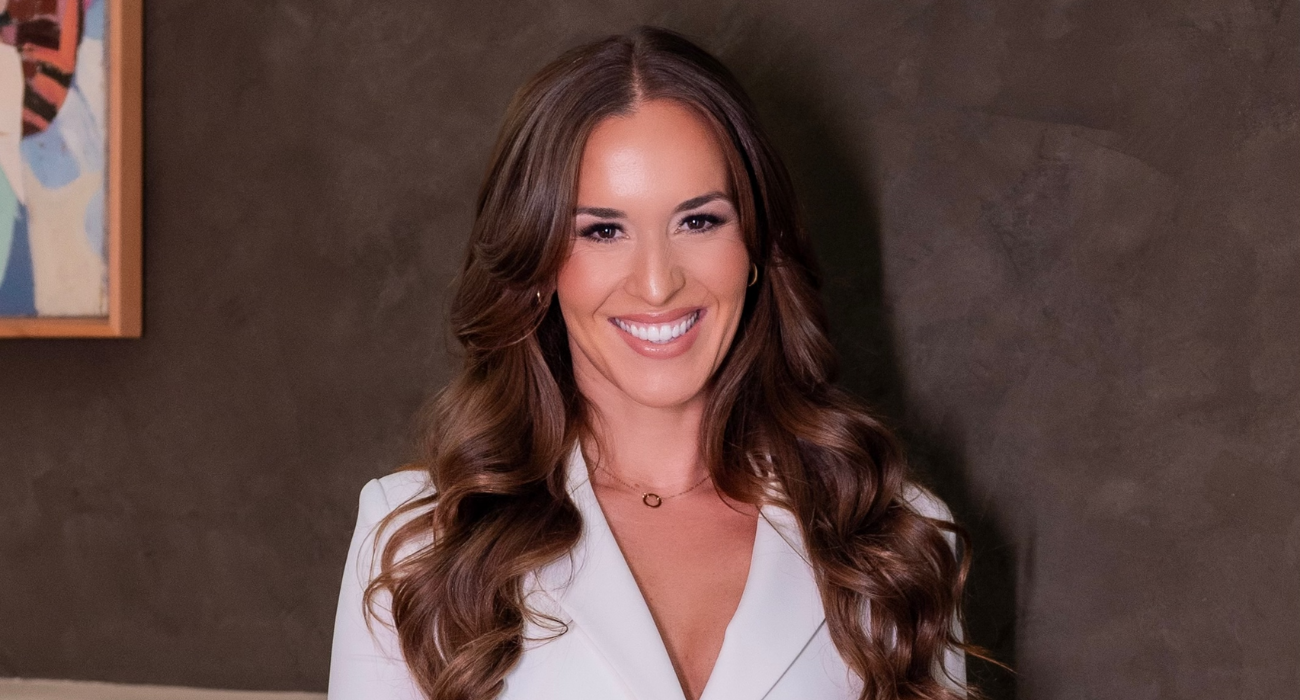
     
  • Ep455:Listening Instead of Hustling: How Lauren Salaun Is Redefining Success Through Feminine Energy

    Ep455:Listening Instead of Hustling: How Lauren Salaun Is Redefining Success Through Feminine Energy

    For nearly two decades, Lauren Salaun did everything right—on paper.

    She built a successful career in marketing and PR. She mastered achievement, structure, and forward momentum. And yet, beneath the polished resume and external wins, something felt off. Burnout crept in. Relationships felt strained. Fulfillment stayed just out of reach.

    What ultimately changed Lauren’s life wasn’t another strategy, certification, or goal.

    It was learning to listen.

    Today, Lauren Salaun is a transformational coach, somatic healer, and host of the Amplify podcast. Her work centers on helping high-achieving women recalibrate their nervous systems, reconnect with their bodies, and shift from force-driven success to alignment-led living. On Unconventional Life with host Jules Schroeder, Lauren shares how slowing down became the fastest path forward.

    From Overachievement to Alignment

    Lauren’s early career was fueled by discipline and drive—qualities that served her well professionally but quietly disconnected her from her intuition.

    Like many high performers, she followed the path she believed she should take rather than the one her inner voice was nudging her toward. Over time, ignoring that voice came at a cost.

    Burnout wasn’t sudden. It was cumulative.

    The turning point came when Lauren began tuning into what she calls soul nudges—a blend of intuition, faith, and embodied knowing. Instead of asking what made logical sense, she started asking what felt true.

    The result wasn’t chaos or loss of control. It was clarity.

    Alignment, she learned, isn’t passive. It’s deeply intentional—and it requires presence.

    Healing the Patterns That Shape Love

    Lauren’s work around relationships was born from personal experience. Following her divorce in 2020, she chose not to repeat old narratives or rush into the next chapter. Instead, she looked inward.

    She examined the unconscious patterns that shaped her relationships—how her nervous system responded to intimacy, how achievement masked emotional needs, and how self-protection showed up as independence.

    This inquiry became the foundation of her coaching practice, particularly for women navigating dating, partnership, and identity after major life transitions.

    Rather than fixing external circumstances, Lauren helps women understand the internal dynamics driving their choices.

    The Myth of “Not Enough Masculine Men”

    One of the most striking moments in the conversation centers on a belief Lauren hears often from successful women:

    “There just aren’t enough masculine men.”

    Lauren doesn’t sugarcoat her response.

    The issue, she explains, is rarely a lack of masculine energy in the world. It’s that many women are leading with hyper-masculine energy themselves—constant doing, controlling outcomes, and staying perpetually guarded.

    This isn’t a flaw. It’s a survival strategy.

    But when masculine drive dominates without balance, it blocks polarity, attraction, and emotional safety.

    The solution isn’t becoming smaller or less capable. It’s learning how to soften without self-abandoning—and how to receive without guilt.

    Feminine Energy Is Not Weakness

    Lauren is clear: feminine energy has been deeply misunderstood.

    It isn’t passivity. It isn’t submission. And it certainly isn’t incompetence.

    At its core, feminine energy is receptive, intuitive, cyclical, and sensory. It thrives on presence rather than pressure.

    When women reconnect with this energy, they often experience unexpected shifts—not only in relationships, but in money, creativity, and opportunities.

    Life begins to respond instead of resist.

    Regulating the Nervous System, One Small Moment at a Time

    For women who already feel overwhelmed, Lauren emphasizes that healing doesn’t start with massive lifestyle changes.

    It starts small.

    One of her simplest practices: sitting outside for five minutes with eyes closed and tuning into the senses. No fixing. No analyzing. Just noticing.

    These moments of regulation bring women back into their bodies—out of mental overdrive and into grounded awareness.

    She also reframes emotional regulation not as suppression, but as discernment. Emotions become information, not instructions.

    Neurodivergence as Magnetism

    Lauren also speaks openly about neurodivergence, reframing it as a source of depth and power rather than limitation.

    Neurodivergent individuals often bring heightened creativity, presence, and emotional intensity into relationships. The challenge isn’t capacity—it’s boundaries.

    Not everyone deserves access to that energy.

    With awareness comes the ability to design environments, relationships, and rhythms that support—not drain—these natural strengths.

    Magnetism Begins with Boundaries

    Throughout the episode, Lauren returns to a central truth: magnetism isn’t something you perform. It’s something you embody.

    Women become magnetic when they stop abandoning themselves, honor their boundaries, and allow life to meet them halfway.

    This shift changes everything—from how partners respond to how opportunities appear.

    Faith, Presence, and an Unconventional Life

    Behind the scenes, Lauren describes herself as playful and expressive. Her daily grounding practice is prayer—a relationship built on trust rather than control.

    For her, living an unconventional life means choosing authenticity over expectation and alignment over appearance.

    Success, she believes, should feel as good as it looks.

    Giveaway: Communicating With Ease and Polarity

    Lauren is offering listeners a powerful giveaway:

    • A texting and communication guide designed to activate masculine energy through feminine expression

    • A one-on-one coaching session

    The guide focuses on subtle yet transformative shifts that change relational dynamics without manipulation or self-betrayal.

    Enter the giveaway and listen to the full episode to learn how alignment—not effort—creates lasting attraction.

    Connect with Lauren:

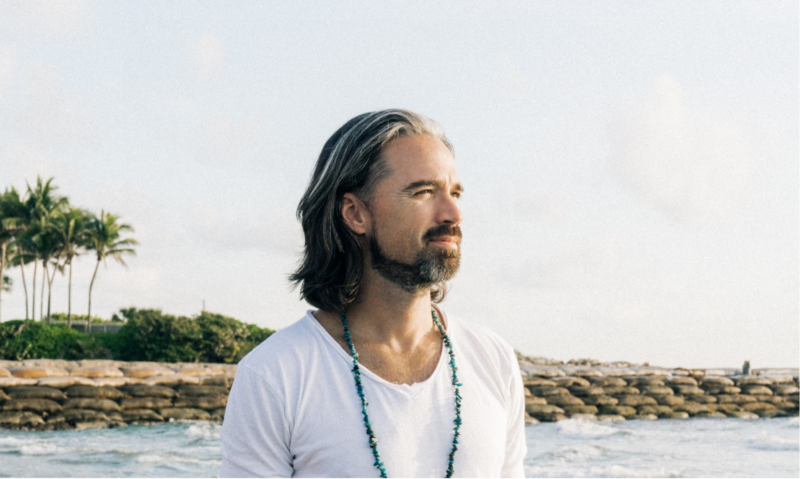
  • Ep454: The Man Who Declared War on Waste: How TerraCycle Founder Tom Szaky Is Reimagining the Future of Consumption

    Ep454: The Man Who Declared War on Waste: How TerraCycle Founder Tom Szaky Is Reimagining the Future of Consumption

    When Tom Szaky talks about waste, he doesn’t sound like a CEO. He sounds like a man on a mission — sharp, philosophical, relentlessly curious about the systems most people never question. And maybe that’s because the global waste crisis, as he sees it, isn’t an environmental issue. It’s an economic one.

    “Waste is not natural,” he says. “It was invented by humans about seventy-five years ago.”

    It’s a surprising truth that reframes everything we assume. In nature, nothing becomes useless. But in modern society, we’ve built a system where entire categories of materials have negative value — they cost more to dispose of than they’re worth. A cardboard box is recycled only because it’s profitable. A toothbrush, however, is destined for a landfill.

    Szaky saw an opening in that contradiction. And from that insight, TerraCycle was born.

    From Refugee to Revolutionary Thinker

    Born in communist-era Budapest, Tom’s life changed when his parents fled after the Chernobyl disaster. They spent years in refugee camps before finally landing in Canada. The instability of his early life shaped him, giving him a deep appreciation for possibility and the power of entrepreneurship.

    By the time he reached university, one question in an Econ 101 class hit him like lightning: What is the purpose of business? The textbook answer was simple: to maximize profit. Tom didn’t buy it — and that tension fueled everything he built after.

    Cracking the Code on Waste

    TerraCycle began as a scrappy experiment and grew into a company now operating in 20+ countries. Its core mission remains the same: raise waste up the hierarchy.

    From litter → to collected → to recycled → to reused.

    TerraCycle tackles what no one else wants:

    • coffee capsules

    • gloves

    • chip bags

    • lab waste

    • cosmetics packaging

    • balloons

    • and hundreds more “unrecyclable” items

    If traditional recycling markets ignore it, TerraCycle finds a way to process it.

    Turning Trash Into a Starting Point

    Beyond collection, TerraCycle transforms waste into raw materials used in everything from consumer products to Olympic podiums.

    Their next frontier? Reuse. Through Loop, TerraCycle partners with major brands to sell products in durable, returnable containers. Customers pay a deposit, use the product, return the empty, and TerraCycle takes it from there. It’s elegant. Simple. Scalable.

    It’s also a direct challenge to the disposable culture the world has normalized.

    A Business Built on Purpose

    Behind the operations, Tom’s philosophy is equally compelling. His rules of innovation are straightforward but rarely followed:

    • Don’t skip to solutions — understand the root.

    • Learn the rules of the system.

    • Embrace critique and iteration.

    • Keep purpose above profit.

    Even now, running a company reportedly earning over $100 million a year, he admits he sometimes wonders, “Is it enough?” But for him, growth has never been about money — it’s about impact.

    Inside TerraCycle’s Trash-Built Office

    Located in Trenton, NJ, the headquarters sits intentionally in one of the poorest cities in the U.S. Every corner tells the same story:

    • desks built from old doors

    • carpets pieced from remnants

    • walls made of soda bottles

    • furniture reclaimed from discarded materials

    It’s a workspace that forces creativity and reminds the team exactly why they’re there.

    Living an Unconventional Life

    When asked what it means to live unconventionally, Tom’s answer is sharp:

    “Don’t accept assumptions. Challenge why the world is the way it is — and find ways to elevate it.”

    It’s the philosophy that turned a refugee child into one of the world’s most innovative thinkers on sustainability.

    Giveaway

    We’re giving away:

    • Any book of Tom’s — your choice

    • One free Zero-Waste Box to recycle the hard-to-recycle

    A chance to start your own journey into circular living.

    Connect with Tom

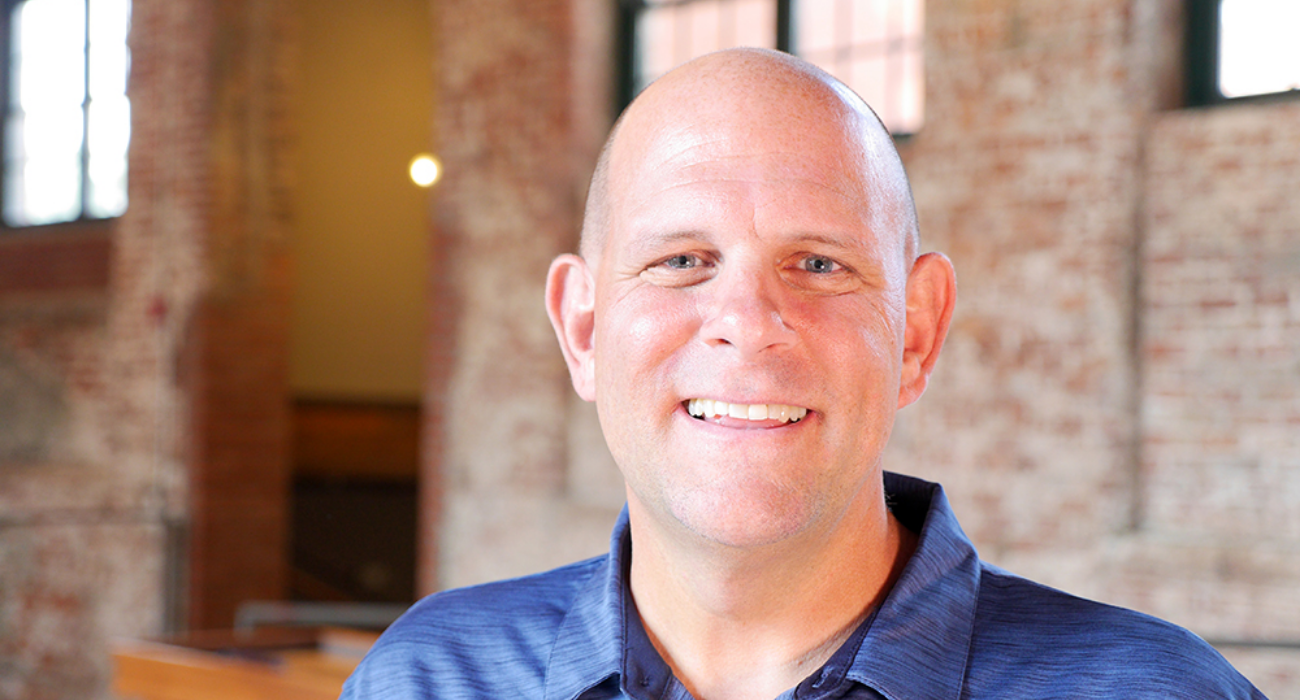
  • Ep453: Bet on Yourself:  Designing Outdoor Spaces That Tell Your Story with Steve Griggs

    Ep453: Bet on Yourself: Designing Outdoor Spaces That Tell Your Story with Steve Griggs


    Not all landscape designers are created equal, and Steve Griggs is living proof.

    For nearly four decades, the New York–based designer has been quietly transforming backyards, rooftops, and estates into living works of art. His projects have earned him two spots on the Inc. 5000 list, appearances on Bravo’s Backyard Envy, Good Morning LaLa Land, and features in Forbes, Huffington Post, and The Wall Street Journal. But ask him what he actually does, and he won’t talk about fame or aesthetics first.

    He’ll tell you about the guys chiseling stone in the cold.

    “Most people just see a pretty picture on Pinterest and say, ‘I want that in my backyard,’” Griggs says. “They have no idea what it takes—the engineering, the plant science, the labor. The real heroes are the guys on the ground doing the work.”

    That mix of candor and craftsmanship is exactly what’s made Griggs the guy to call when you want more than a pretty garden.

    From “Just a Landscaper” to the Guy Everyone Calls

    Griggs didn’t set out to be another name in the landscaping directory. From the beginning, he knew if he stayed generic, he’d be trapped in the race to the bottom.

    “Starting out as a landscaper, you don’t want to be a landscaper,” he says bluntly. “You want to become the guy, the gal—the it person. If you don’t separate yourself from the crowd, you’re just competing on price. And that’s a quick land to nowhere.”

    To climb out of that commodity trap, he began positioning himself differently. He leaned into media, became a go-to guest on podcasts, and compressed 30 years of work into a visual coffee-table book called Straight Dirt: New York City’s Premier Designer Tells It Like It Is. The book, filled with high-impact photography and honest stories from job sites, became a powerful leave-behind for clients—and a quiet weapon against his competition.

    “If a client’s looking at two landscapers with similar pricing, and one of them has a book on the table, they’re probably going with the guy who has the book,” he says. “It raises your credibility the second you walk in.”

    Your Backyard, Reimagined as a Story

    Ask Griggs what he really does, and he won’t talk about lawns or shrubs. He talks about lifestyle, feeling, and memory.

    “Some people paint, some people write music, some people sculpt,” he says. “My art form is your backyard.”

    His process starts with listening—not just to what people want built, but how they want to feel when they step outside. Some clients want Vegas energy: pools, lights, late-night entertainment. Others want a zen courtyard to decompress from the city. His job is to translate those emotional cues into a design and then bring it to life in three dimensions.

    He’s particularly passionate about the value of outdoor space in dense markets like the Northeast, where property and taxes come at a premium.

    “I’ve had clients say, ‘I don’t want to fix up my backyard—we never go outside,’” he laughs. “And I tell them, ‘You never go outside because it looks like this.’”

    Since COVID, he’s seen a massive shift in how people relate to outdoor living. Fire pits, outdoor kitchens, TVs, and covered lounges have turned backyards into the new family room.

    “The backyard is the new kitchen,” he says. “It’s where memories are made. Your goal is to make your place the coolest house on the block so your kids and their friends want to be there. That’s where the magic happens.”

    Money, Mindset, and the Price of Being “The Guy”

    Behind the polished projects, Griggs carries a familiar story about money—one that many high-achieving entrepreneurs will recognize.

    He grew up in an old-school, working-class household where the soundtrack was scarcity: turn off the lights, we can’t afford that. That narrative turned into an internal script that followed him into adulthood.

    “For years I was deathly afraid to talk about money,” he admits. “I’d be terrified to give the real price. In my head it was always, ‘What are they going to think if I say this number?’ I didn’t feel worthy to charge it.”

    The turning point came when he realized his clients could write a $100,000 check with the same emotional charge as a phone bill. It wasn’t that the projects weren’t worth the money—it was that he hadn’t fully owned the value of his work.

    “You can’t be clipping coupons on groceries and then expect people to hand you six-figure checks,” he says. “It’s a mindset thing. You have to believe you’re the person they want, or you’ll always be just another guy with a truck.”

    Today, he’s unapologetic about charging what his projects are worth. He also insists that loving your work isn’t enough—you have to treat it like a real business.

    “I used to say, ‘If I love what I do, the money will follow.’ That’s not how it works,” he says. “You’re supposed to make a profit. Business is for profit. Be fair. Don’t take advantage of people. But don’t apologize for making money.”

    40 Years In: Jealousy, Grit, and Showing Up Anyway

    After four decades in the industry, Griggs has seen trends, companies, and entire economies come and go. Instagram, though, brought a new kind of challenge: comparison.

    “Do I get jealous when I see guys online talking about making a million dollars a month? Absolutely,” he says. “Here I am, 40 years of blood, sweat, and tears. It gets to you sometimes.”

    His way through it isn’t glamorous. It’s not a hack. It’s consistency.

    “The longevity is just consistency,” he says. “Showing up every day. Doing what you say you’re going to do when you say you’re going to do it.”

    That grit is rooted in his upbringing. His father worked construction, getting up at 4:30 a.m. to commute into New York City and feed five kids. Griggs inherited not only the work ethic but the sense of responsibility that comes with it.

    “I’m old-school now, I can finally say that,” he laughs. “Your word is your bond. If I tell a client they’ll be swimming by July 4th, no matter what happens, they’re swimming by July 4th. That’s your reputation. That’s everything.”

    His biggest piece of advice for anyone trying to build something unconventional?

    “Bet on yourself,” he says. “You want to be the person with the ball with two seconds left who actually wants to take the shot. Nobody’s coming to save you. It’s on you.”

    Creativity in Spray Paint and Steel-Toed Boots

    Despite the tough-guy exterior, Griggs describes himself as a softie who cries at movies and gets emotional easily. His creative process is surprisingly intuitive.

    He doesn’t sit behind a screen and draft for days. Instead, he walks the site with old-school spray paint in hand, sketching the pool, patio, and pathways right onto the earth.

    “It’s like when a song comes into your head,” he tells Jules. “For you, you go to the piano. For me, I start spray-painting the outline. I see the whole thing before it’s ever built—even down to the flowers.”

    He laughs that he can’t draw a stick figure on paper, but give him a raw piece of land and he can see the finished space from day one.

    The Lonely Road of Entrepreneurship—and Why He’d Still Choose It

    Griggs is quick to point out that entrepreneurship is not for everyone.

    “Can everyone be an entrepreneur? I don’t think so,” he says. “It’s lonely. There were times I didn’t know if I could make the mortgage or the payroll. People are cheering for you—but also, some aren’t. There’s jealousy.”

    And yet, he wouldn’t trade it.

    Being his own boss meant he could coach his sons’ soccer games, be present for family life, and build days around what mattered most. Now married 29 years to a wife who balances his high energy with a calmer presence, he knows firsthand that success without relationships isn’t success at all.

    “I see a lot of people where one partner is working nonstop, and everything else falls apart,” he says. “It’s not worth it.”

    Even with his own business, he refuses to let his kids skip the hard part.

    “They see me come home dirty and tired,” he says. “They’re not following in my footsteps—and that’s fine. But if they ever want to come into the business, they’re not getting handed the keys. Go out, get beat up a little, learn how the world works, then we’ll talk.”

    Why Breaking the Rules Might Be the Only Way to Live

    For Steve Griggs, living an unconventional life is less about rebellion and more about refusing to sleepwalk through someone else’s plan.

    “To me, the unconventional life is breaking something, living outside the box,” he says. “Don’t just do what everybody says you should be doing. Go for it. Bet on yourself. Don’t have regrets.”

    Whether he’s spray-painting the outline of a rooftop pool, pricing a six-figure backyard renovation, or sending 5 a.m. emails so clients know he’s thinking about their project before sunrise, one thing is clear: Griggs isn’t just designing outdoor spaces.

    He’s designing a life on his own terms—and inviting the rest of us to do the same.

    Giveaway: Win a Copy of Straight Dirt + Personal Design Insight from Steve

    To celebrate the episode, Steve is giving away a hardcover copy of his coffee-table book, Straight Dirt: New York City’s Premier Designer Tells It Like It Is.

    Connect with Steve


  • Ep452: Reimagining Wealth: How Christopher Mackin Turns Money Into Meaning, Consciousness, and Global Impact

    Ep452: Reimagining Wealth: How Christopher Mackin Turns Money Into Meaning, Consciousness, and Global Impact

    For nearly two decades, Christopher Mackin lived what most would call the dream: a fast-rising financial advisor, top of the leaderboard, driving deal to deal in a suit and tie across the Northeast. He had the income, the status, the success.

    But beneath the polish was a truth he couldn’t outrun: the hustle was hollowing him from the inside out.

    Today, Mackin is a different kind of wealth advisor altogether — one blending financial strategy with spiritual insight, money with meaning, and prosperity with planetary stewardship. As a Certified Wealth Advisor, Reiki Master, retreat entrepreneur, and author of the forthcoming book Conscious Wealth, his mission is simple:

    Turn wealth into WELLth — a life that is emotionally rich, spiritually anchored, energetically aligned, and financially empowered.

    And the path that brought him here was anything but predictable.

    From Childhood Scarcity to Corporate Success

    Mackin traces the origins of his drive back to a painful childhood moment: overhearing his parents argue about money. He cried himself to sleep and made a vow the next morning — he would never ask them for help again.

    That promise turned into a relentless work ethic. By 16, he had two jobs and had dropped sports to earn more. By adulthood, he was the classic high performer:

    • Suit and tie

    • Cold calls

    • Long drives across New Jersey, New York, and Pennsylvania

    • Manager-driven quotas

    • Leaderboard success

    On paper, he had arrived. But inwardly? His health declined, his habits worsened, and his emotional world flatlined.

    “I was doing something I loved and making good money. But something was deeply off within.”

    That misalignment would become the pressure point that cracked him open.

    The Sedona Moment That Changed Everything

    When therapy didn’t resonate, Mackin followed a more intuitive pull: a life coach, energy work, retreats.

    Then came Sedona — the trip that marked the beginning of his spiritual awakening.

    A session with a shaman. An astrology reading. An energy clearing. Vortex hikes. The result?

    Thirty days of sustained bliss. A nervous system he’d never felt before. A sense of lightness that made the financial hustle look one-dimensional.

    He calls this his “Pandora’s box” moment — the experience that pushed him headfirst into consciousness, somatics, energy work, and eventually, Reiki mastery.

    Holding Space for Transition: Why Quiet Leads to Clarity

    Many of Mackin’s clients seek him during transition — after burnout, before a pivot, or in the numb space where success no longer feels like success.

    His perspective is grounded and compassionate:

    • You cannot make aligned decisions from survival mode.

    • You need spaciousness before clarity arrives.

    • Sabbaticals aren’t luxuries — they’re recalibration portals.

    • Even your home holds the energy of your old identity.

    • You don’t have to know the next step before leaving the wrong one.

    Whether the sabbatical is three days or three years, Mackin believes the most transformative insights emerge in silence.

    The Conscious Wealth Philosophy

    When Mackin talks about wealth, he goes far beyond money.

    In fact, he challenges the entire premise.

    Wealth as Well-Being

    The word wealth originally stems from a root associated with joy and well-being — concepts that rarely appear in financial statements yet determine the quality of our lives.

    His definition includes:

    • Emotional wisdom

    • Spiritual grounding

    • Physical vitality

    • Mental clarity

    • Relationships

    • Energetic coherence

    • Financial support

    Money is part of the story — but far from the whole.

    Money as Energy

    One of Mackin’s core teachings is deceptively simple:

    Money is energy. Energy is power. Power can be directed with intention.

    Rather than viewing money as accumulation, he sees it as a conduit — a way to amplify what you value.

    “And you don’t have to sacrifice returns to align with your values,” he notes. Alignment creates clarity, and clarity creates better decisions.

    Sacred Ohms & the Business of Conscious Transformation

    After years of attending retreats, Mackin realized something striking: most retreat leaders booked venues through Airbnb or Google, never truly considering the energetic quality of the spaces.

    Yet set and setting profoundly shape transformation.

    This insight birthed Sacred Ohms, Mackin’s experiential hospitality platform — a curated retreat-venue marketplace designed to support leaders, protect participants, and elevate consciousness.

    It ties directly into his three global priorities:

    1. Elevating human consciousness

    2. Ocean conservation and climate stewardship

    3. Clean drinking water for all

    Philanthropy From the Heart, Not Obligation

    Although Mackin had been involved in philanthropy for years — education, Rotary involvement, nonprofit boards — something felt missing.

    So he paused everything.

    And asked himself a simple but revolutionary question:

    “What do I genuinely care about right now?”

    The answer was immediate: the ocean.

    Growing up on the water, snorkeling, fishing, spending countless hours in nature — the ocean was where he felt most alive, and most heartbroken when witnessing pollution and degradation.

    His environmental giving now flows from passion, not duty — and he encourages others to do the same.

    “You don’t need to be a millionaire to give. Even $1 shifts your energy.”

    Living the Unconventional Life

    When Jules asks what the unconventional life means to him, Mackin smiles — people have been calling him “the unconventional wealth advisor” for two decades.

    He shares a simple truth:

    He builds his business around his life, not his life around his business.

    That has required:

    • Letting go of relationships

    • Choosing alignment over approval

    • Prioritizing authenticity

    • Living with the awareness that life is short

    If he can look in the mirror and know he is being his truest self, it’s worth the cost.

    The Giveaway: A Portal of Healing

    As part of this episode, Mackin is offering listeners a powerful experience: a 44-minute Reiki session, facilitated through Holy Fire and Karuna Reiki modalities.

    He uses Reiki daily, integrating it into his morning practice — a practice that includes spaciousness, breathwork, and writing.

    For many listeners, this is the first time an energy-healing session has been offered through the show.

    Connect with Christopher: